SCFE-Extracted Oleoresins: Why the Extraction Method Matters More Than It Appears
Two Oleoresins Can Look the Same on Paper—But Perform Very Differently
Imagine comparing two turmeric oleoresins from different suppliers. Both meet the required curcuminoid specification, both arrive with a Certificate of Analysis, and both appear suitable for your formulation. Yet, once incorporated into production, one delivers better colour retention, greater consistency, and more reliable performance than the other.
The difference often lies not in the botanical itself, but in how the extract was produced. While ingredient buyers naturally evaluate active compound levels, origin, and price, extraction technology is becoming an equally important consideration. It influences purity, stability, flavour, colour, preservation of bioactive compounds, and ultimately how consistently an ingredient performs throughout its lifecycle.
Understanding the difference between oleoresins vs essential oils is an important first step, but understanding how an oleoresin is extracted provides a much clearer picture of its overall quality. As global demand for clean-label ingredients, botanical extracts, and plant-based formulations continues to grow, manufacturers are increasingly adopting advanced extraction technologies that improve consistency, purity, and product performance.
What Are SCFE-Extracted Oleoresins?
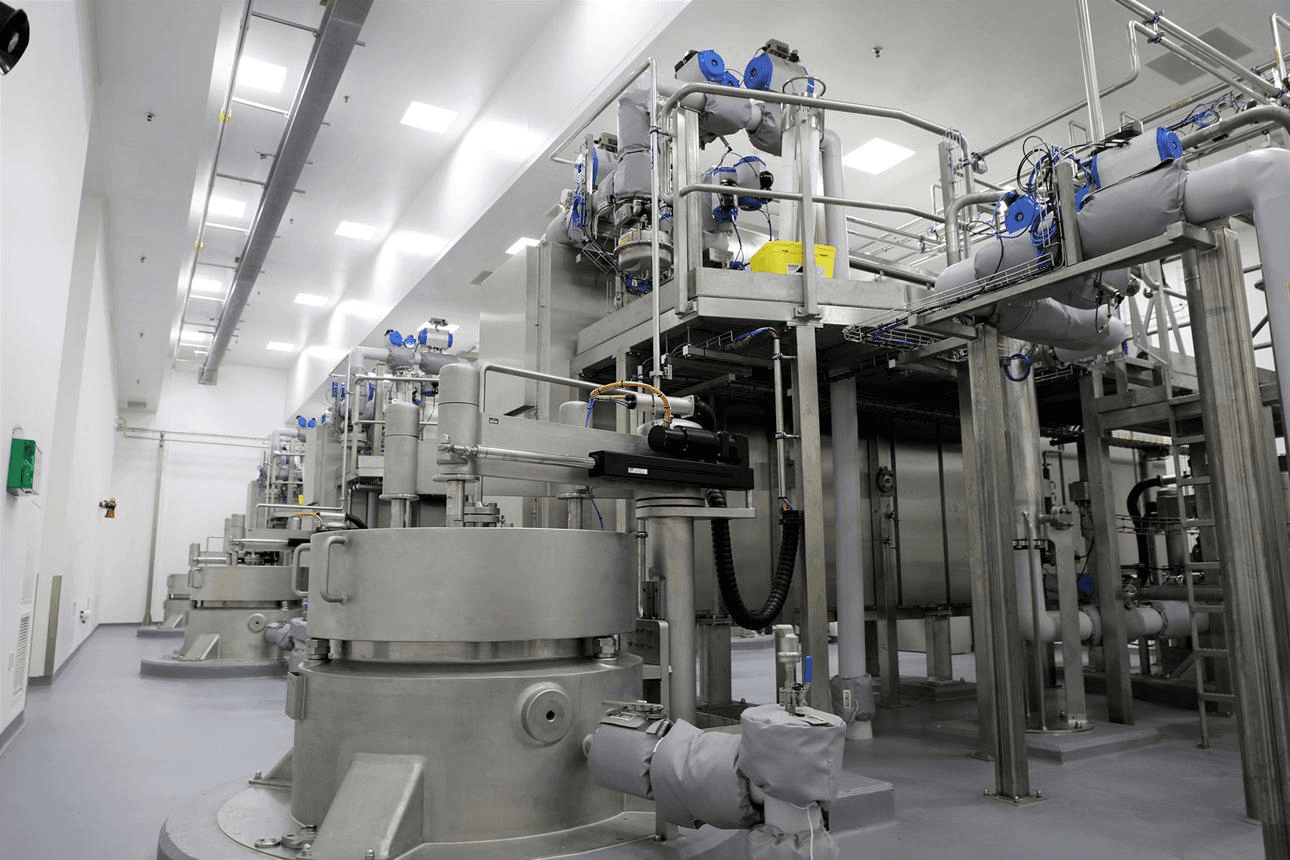
SCFE-extracted oleoresins are concentrated botanical extracts produced using Supercritical Carbon Dioxide (CO₂) Extraction. In this process, carbon dioxide is subjected to carefully controlled pressure and temperature until it reaches a supercritical state, allowing it to behave like both a liquid and a gas.
This unique property enables CO₂ to penetrate plant material efficiently while selectively extracting valuable compounds such as natural flavours, aromas, colours, essential oils, and bioactive constituents. Once extraction is complete, the pressure is reduced and the CO₂ naturally returns to its gaseous form, leaving behind a clean, solvent-free extract with no residual solvents.
How Supercritical CO₂ Extraction Works
Although the technology behind SCFE is sophisticated, the principle is remarkably straightforward.
Under carefully controlled pressure and temperature, carbon dioxide reaches a supercritical state, where it combines the penetrating ability of a gas with the dissolving power of a liquid.
Although the technology behind SCFE is sophisticated, the principle is remarkably straightforward.
Under carefully controlled pressure and temperature, carbon dioxide reaches a supercritical state, where it combines the penetrating ability of a gas with the dissolving power of a liquid.
This enables it to:
Penetrate botanical material efficiently
Selectively extract valuable compounds
Operate under relatively gentle processing conditions
Produce solvent-free botanical extracts
Preserve delicate bioactive compounds
After extraction, the pressure is reduced and the CO₂ naturally separates from the extract before being recovered and reused within many modern closed-loop extraction systems. The result is a clean, concentrated oleoresin that closely reflects the composition of the original botanical.
Conventional Extraction vs SCFE Extraction
Conventional Extraction | SCFE Extraction |
May use organic solvents | Uses carbon dioxide as the extraction medium |
Additional solvent removal may be required | CO₂ naturally separates after extraction |
Higher temperatures may affect sensitive compounds | Low-temperature processing helps preserve delicate bioactives |
Greater processing variation | Highly controlled extraction parameters |
Suitable for many commercial applications | Preferred where purity, consistency and premium quality are priorities |
Every extraction method has its place depending on the botanical and the intended application.
Why More Industries Are Choosing SCFE-Extracted Oleoresins
Extraction technology has become increasingly important as manufacturers develop cleaner, more sophisticated formulations. Compared with many conventional extraction methods, SCFE offers several practical advantages:
High-purity botanical extracts
No residual solvent concerns
Better preservation of heat-sensitive compounds
Consistent batch-to-batch quality
Reliable flavour, colour, and aroma profiles
Standardised active compound levels
Excellent suitability for clean-label product development
These benefits are one of the reasons food manufacturers are switching from raw spices to oleoresins, particularly in applications where consistency, efficiency, and standardisation are essential.
As consumer expectations continue to evolve, ingredient manufacturers are increasingly expected to deliver extracts that combine natural authenticity with industrial reliability.
Why Every Botanical Responds Differently to SCFE Extraction
While the extraction technology remains the same, every botanical responds differently depending on its naturally occurring compounds.
Turmeric Oleoresin
Turmeric contains curcuminoids alongside naturally occurring aromatic compounds that contribute to both its functionality and sensory profile. A carefully controlled extraction process helps preserve these valuable constituents, making turmeric oleoresin suitable for food, nutraceutical, and wellness formulations where consistency and quality are essential.
Black Tea Extract
Unlike many spices, black tea contains delicate polyphenols and other naturally occurring compounds that can be affected by excessive processing conditions. Controlled extraction helps retain these compounds, allowing black tea extract to deliver the characteristics expected in premium beverage, nutritional, and functional food applications.
Every botanical has its own chemical profile, which is why selecting an appropriate extraction technology is just as important as selecting the raw material itself.
Beyond Extraction: Why Quality Assurance Matters
Extraction technology alone does not determine ingredient quality. The performance of a botanical extract also depends on raw material selection, manufacturing controls, analytical testing, and supply chain transparency.
When evaluating an oleoresin supplier, it is worth considering whether they provide:
Batch-specific Certificates of Analysis (CoA)
Standardised active compound specifications
Raw material traceability
Comprehensive quality testing
Technical documentation
Regulatory support
Consistent manufacturing practices
These quality assurance measures become particularly important for pharmaceutical oleoresins, where purity, standardisation, and reproducible performance are essential.
Choosing the Right SCFE Oleoresin Supplier
Choosing the right SCFE oleoresin supplier goes beyond comparing specification sheets. A reliable manufacturer should offer consistent quality, raw material traceability, batch-specific Certificates of Analysis (CoA), robust quality control, and technical support alongside advanced extraction expertise.
At Sheetal Naturals, we combine carefully sourced botanicals from Northeast India with Supercritical CO₂ Extraction (SCFE) technology to produce high-purity oleoresins backed by rigorous testing and traceability.
If you are looking for premium botanical extracts, contact our team to discuss your requirements or request product specifications and samples.
Frequently Asked Questions
What are SCFE-extracted oleoresins?
SCFE-extracted oleoresins are concentrated botanical extracts produced using Supercritical CO₂ Extraction, a solvent-free process that helps preserve valuable plant compounds while producing highly pure extracts.
Why is SCFE preferred over conventional extraction?
SCFE operates at relatively low temperatures and uses carbon dioxide instead of conventional organic solvents, helping preserve sensitive bioactive compounds while eliminating residual solvent concerns.
Do SCFE-extracted oleoresins contain residual solvents?
No. After extraction, the carbon dioxide naturally returns to its gaseous state and separates completely from the extract, leaving no solvent residue.
How do I choose a reliable SCFE oleoresin supplier?
When evaluating suppliers, consider extraction technology, product standardisation, testing protocols, traceability, regulatory documentation, batch consistency, and technical support capabilities.
Which industries use SCFE botanical extracts?
SCFE-extracted oleoresins are widely used in food and beverage manufacturing, nutraceuticals, pharmaceuticals, cosmetics, personal care products, and wellness formulations where purity and consistency are important.
Is SCFE always the best extraction method?
Not necessarily. The ideal extraction method depends on the botanical, target compounds, and intended application. However, where solvent-free processing, preservation of heat-sensitive compounds, and high-quality botanical extracts are priorities, SCFE has become one of the industry's preferred technologies.
Related Articles

Pharmaceutical-Grade Oleoresins: Manufacturing & Applications
By Sheetal Naturals
Learn how pharmaceutical-grade oleoresins improve batch consistency, dosage accuracy, regulatory compliance, and manufacturing efficiency. Discover the role of SCFE extraction, quality testing, and standardized botanical extracts in modern pharmaceutical formulations.
Read More

Why Assam Ginger Produces Some of the Highest Gingerol Content in the World
By Sheetal Naturals
Not all ginger is created equal. Thanks to the unique, pristine geographical conditions of Northeast India, indigenous Assam ginger varieties yield exceptional gingerol concentrations. Learn why ingredient buyers prioritize this origin for high-potency formulations.
Read More

Why Food Manufacturers Are Switching from Raw Spices to Oleoresins
By Sheetal Naturals
Managing the natural batch-to-batch variability of raw, ground spices at scale is an operational nightmare for food manufacturers. Learn how switching to standardized oleoresins ensures reliable consistency, reduced storage costs, and enhanced heat stability.
Read More

Oleoresins vs Essential Oils: What Food Manufacturers Need to Know Before Choosing
By Sheetal Naturals
Choosing between an essential oil and an oleoresins can dramatically impact your product's flavor profile, stability, and cost. This guide breaks down the core structural differences so you can select the right extract for your specific formulation needs.
Read More

Naga Chilli: The World's Hottest Pepper and What It Means for Food Manufacturers
By Sheetal Naturals
Certified by Guinness World Records as one of the hottest chillies on earth, the Naga Chilli (Bhut Jolokia) is a powerhouse of industrial capsaicinoids. Discover why its GI-certified origin and exceptional potency make it a game-changer for modern food and pharmaceutical procurement teams.
Read More