Why Food Manufacturers Are Switching from Raw Spices to Oleoresins

The Problem with Raw Spices at Scale
A small restaurant kitchen can measure spices by eye and adjust by taste. A food manufacturing plant producing ten thousand units an hour cannot. When you are making a spice blend or a sauce at industrial scale, the variability inherent in raw and ground spices becomes a significant operational problem.
Raw spices vary in potency by season, origin, storage duration, and handling. The curcumin content in turmeric can range from 1 to 7 percent depending on where it was grown and how it was dried. The capsaicin level in red chilli varies between harvests. Gingerol content in ginger is affected by soil composition, rainfall, and post-harvest processing. When you are trying to deliver a product with a consistent flavour profile, colour, and heat level, these natural variations create real quality control problems.
This is the core reason food manufacturers have been moving toward spice oleoresins and essential oils for the past several decades. The shift is not about cutting corners. It is about controlling what goes into every batch.
Batch Consistency Is the Primary Driver
Oleoresins are standardised extracts. A supplier with good manufacturing practices produces oleoresins to a defined specification: a ginger oleoresin standardised to 35 percent gingerols, a capsicum oleoresin standardised to 6 million SHU, a turmeric oleoresin standardised to 95 percent curcumin. Every batch meets the same specification. Every certificate of analysis confirms the numbers.The quality of the final extract also depends on the natural bioactive profile of the raw material. For example, Assam-grown ginger is known for its high gingerol content and suitability for producing premium ginger extracts.
For a quality manager at a food company, this changes the entire ingredient management process. You are no longer running tests on incoming raw spice to determine its potency before adjusting your recipe. You are working with an input that arrives with a known, verified composition. Inclusion rates can be calculated precisely. Formulations become reproducible.
This is why oleoresins are dominant in large-scale processed food manufacturing, particularly in Europe and North America, where regulatory requirements around flavour consistency and ingredient labelling are strict.
Space, Storage, and Handling Advantages
Oleoresins occupy a fraction of the space required by the equivalent raw spice. Depending on the spice, oleoresins are 10 to 50 times more concentrated than the whole or ground version. This means a kilogram of ginger oleoresin can replace up to 50 kilograms of ground ginger in formulation terms. For a warehouse manager, this is a significant reduction in storage footprint, packaging materials, and logistics cost.
Raw spices are also vulnerable to moisture, insects, fungal contamination, and mycotoxin accumulation during storage. Ground spices are particularly susceptible because grinding increases the surface area exposed to environmental factors. Oleoresins, with their low moisture content and concentrated form, are significantly more stable. A properly stored oleoresin can maintain its quality for up to two years without meaningful degradation.
Microbial cleanliness is another factor. Raw spices regularly carry high bacterial loads, and they can introduce pathogens into a production environment if not carefully managed. Oleoresins go through an extraction process that eliminates the microbial risk, giving manufacturers a cleaner ingredient to work with in HACCP-controlled facilities.
Heat Stability in Processing
Many food manufacturing processes involve heat. Baking, retort processing, pasteurisation, and high-temperature mixing all affect flavour compounds. The volatile components in raw spices and essential oils evaporate under heat. The result is a finished product that smells and tastes less intense than your formulation intended.
Oleoresins, particularly those produced by supercritical CO₂ extraction, contain both volatile and non-volatile components. The non-volatile fraction, which includes colourants, pungency compounds, and fixed oils, is retained in oleoresins and contributes to their functional stability during processing. In contrast, volatile aromatic compounds are primarily captured in essential oils and can be more sensitive to heat and evaporation. Understanding oleoresins vs essential oils helps manufacturers choose the right extract based on their application requirements.
For a product like a processed meat, a canned soup, or a ready meal that goes through retort, this stability is essential. The oleoresin delivers its functional profile at the point of consumption, not just at the point of mixing.
Clean Label Compatibility
Consumer demand for natural ingredients has created a shift in how food companies build their ingredient lists. The clean label movement asks manufacturers to replace synthetic additives with recognisable, natural alternatives. Spice oleoresins fit this requirement well.
An oleoresin derived from ginger or turmeric is a natural extract. On a product label, it can be declared as natural ginger extract or natural turmeric extract. There is no synthetic chemistry involved in the ingredient itself. For manufacturers who are reformulating to reduce E-number counts or to meet natural positioning requirements, oleoresins offer a practical route.
This is particularly relevant for the nutraceutical and functional food segments, where ingredient provenance and extraction methods have become part of the brand story.
Sourcing an Oleoresin You Can Build a Product Around
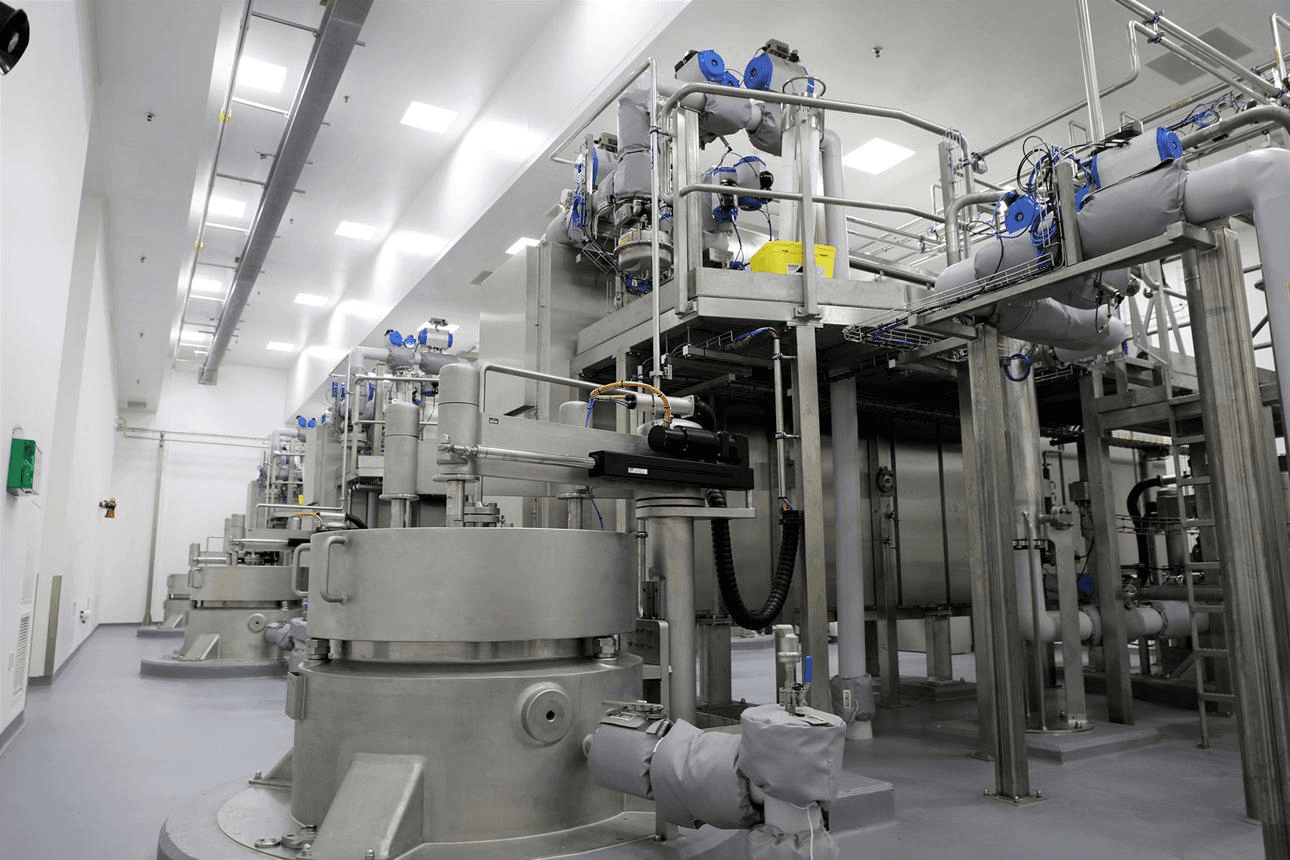
Sheetal Naturals produces ginger, turmeric, Naga Chilli, and black tea oleoresins using supercritical CO2 extraction at our facility in Nalbari, Assam. All raw materials are sourced directly from Northeast India, where the natural growing conditions produce some of the highest bioactive concentrations available in Indian spice varieties. We supply to food manufacturers, nutraceutical brands, and pharmaceutical formulators with standardised specifications, certificates of analysis, and full traceability documentation.
Contact our team for sample requests and formulation consultation to discuss your ingredient requirements.
Related Articles

India Produces 80% of the World's Turmeric. Lakadong Could Change What We Do With It.
By Sheetal Naturals
India produces over 80% of the world's turmeric, but the future of the industry may depend on more than volume. Discover how Lakadong turmeric from Meghalaya, known for its naturally high curcumin content, and value-added ingredients such as turmeric oleoresin could help India capture greater value in the global natural ingredients market.
Read More

Lakadong Turmeric: Why Origin Matters More Than Colour | Curcumin Turmeric & Quality Guide
By Sheetal Naturals
Discover why Lakadong turmeric from Meghalaya stands apart. Learn how origin, naturally high-curcumin potential, batch testing, and traceability provide a clearer picture of turmeric quality beyond its colour
Read More

Pharmaceutical-Grade Oleoresins: Manufacturing & Applications
By Sheetal Naturals
Learn how pharmaceutical-grade oleoresins improve batch consistency, dosage accuracy, regulatory compliance, and manufacturing efficiency. Discover the role of SCFE extraction, quality testing, and standardized botanical extracts in modern pharmaceutical formulations.
Read More

Why Assam Ginger Produces Some of the Highest Gingerol Content in the World
By Sheetal Naturals
Not all ginger is created equal. Thanks to the unique, pristine geographical conditions of Northeast India, indigenous Assam ginger varieties yield exceptional gingerol concentrations. Learn why ingredient buyers prioritize this origin for high-potency formulations.
Read More

Oleoresins vs Essential Oils: What Food Manufacturers Need to Know Before Choosing
By Sheetal Naturals
Choosing between an essential oil and an oleoresins can dramatically impact your product's flavor profile, stability, and cost. This guide breaks down the core structural differences so you can select the right extract for your specific formulation needs.
Read More

Naga Chilli: The World's Hottest Pepper and What It Means for Food Manufacturers
By Sheetal Naturals
Certified by Guinness World Records as one of the hottest chillies on earth, the Naga Chilli (Bhut Jolokia) is a powerhouse of industrial capsaicinoids. Discover why its GI-certified origin and exceptional potency make it a game-changer for modern food and pharmaceutical procurement teams.
Read More
SCFE-Extracted Oleoresins: Why the Extraction Method Matters More Than It Appears
By Sheetal Naturals
Learn how the SCFE-extracted oleoresins preserve bioactive compounds, improve purity, and deliver consistent botanical extracts for food, nutraceutical, and pharmaceutical applications.
Read More

How to Choose the Right Oleoresin Manufacturer in India: 7 Key Factors
By Sheetal Naturals
Choosing the right oleoresin manufacturer in India involves more than comparing prices and specifications. This guide explores the key factors buyers should evaluate, including raw material sourcing, extraction technology, quality certifications, traceability, batch consistency and technical expertise. Learn how to identify a reliable supplier for food, nutraceutical and pharmaceutical applications.
Read More