Lakadong Turmeric for Skincare: The Ultimate Ingredient High-Curcumin Extract in K-Beauty

Korean beauty, or K-Beauty, has made botanical ingredients an important part of modern skincare innovation. From ginseng-infused serums to mugwort-based creams, Korean cosmetic formulations demonstrate how traditional ingredients can inspire contemporary product development.
Could Lakadong turmeric for skincare offer another opportunity?
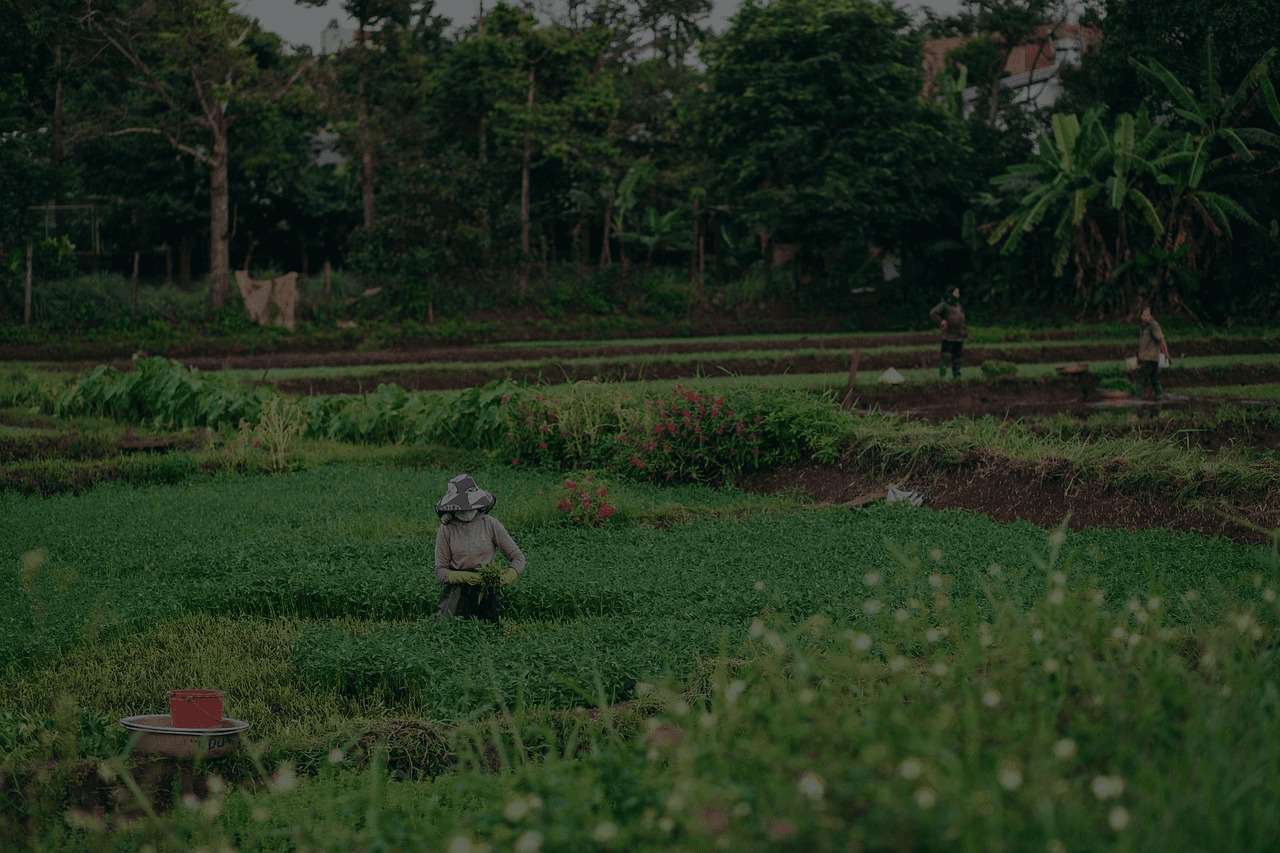
Native to Meghalaya's Jaintia Hills region in Northeast India, Lakadong turmeric is known for its high curcumin content. This distinctive botanical could be worth exploring for cosmetic formulations, particularly as manufacturers investigate new plant-derived ingredients. However, its potential in Korean skincare depends on ingredient quality, formulation compatibility, safety, and supporting research.
What Makes Lakadong Turmeric Different?
Lakadong turmeric belongs to Curcuma longa, the species that includes commonly cultivated turmeric varieties. It is recognized for its relatively high curcumin content, although actual levels vary between samples.
A 2023 study published in Future Journal of Pharmaceutical Sciences investigated curcumin isolated from Lakadong turmeric and evaluated a specially formulated curcumin nanogel in laboratory and animal models. The findings offer a scientific starting point for further research, but they do not establish the effectiveness of ordinary Lakadong turmeric extracts in commercial skincare products.
For cosmetic manufacturers, testing the actual ingredient batch is essential. Curcumin content, purity, contaminants, color, stability, and extraction method can all influence ingredient selection.
How Could Turmeric Fit Into Korean Skincare?
The opportunity is not simply about adding turmeric extract for skincare to an existing formula. It is about determining whether a particular extract can meet the technical requirements of a finished cosmetic product.
Sheet masks: Turmeric-derived ingredients could be investigated for botanical-inspired mask essences. Solubility, color transfer, staining potential, and stability require assessment.
Facial serums: Formulators could evaluate selected turmeric extract for Korean skincare alongside other cosmetic ingredients, depending on their composition and intended application.
Under-eye patches: Turmeric-derived ingredients may be explored in suitable formulations, subject to skin compatibility and safety testing. Claims about reducing dark circles or puffiness require specific supporting evidence.
Turmeric powder, turmeric extract, and turmeric oleoresin have different properties and should not be treated as interchangeable ingredients.
Ayurveda and Hanbang: A Botanical Connection
Ayurveda, India's traditional system of medicine, and Hanbang, Korea's traditional herbal medicine, represent distinct cultural approaches to plant-based knowledge.
Both can inspire interest in botanicals, but this interest does not mean that Korean cosmetic brands have already widely adopted Indian ingredients. Lakadong turmeric represents a potential ingredient-development opportunity that requires technical validation and market evaluation.
For manufacturers, the focus should remain on measurable ingredient specifications rather than traditional heritage alone.
What Should Cosmetic Ingredient Buyers Look For?
For brands searching for turmeric extract for Korean skincare, the raw material must meet the needs of the intended formulation.
Key considerations include:
Standardization: Verify curcumin or curcuminoid specifications where relevant.
Quality documentation: Review the Certificate of Analysis (CoA), botanical identity, traceability, and relevant contaminant-testing results.
Extraction technology: Understand how the ingredient was processed and how the process affects its composition.
Formulation compatibility: Assess solubility, color, odor, stability, and compatibility with the finished product.
Regulatory suitability: Confirm applicable requirements for the South Korean market and the intended cosmetic use.
Supercritical CO₂ extraction (SCFE) is one technology used to process selected botanical materials. Whether an SCFE-derived ingredient is suitable depends on its specific properties and the formulation requirements.
Opportunities for Indian Botanical Extract Suppliers
As cosmetic manufacturers explore new botanical extracts for cosmetic ingredients, Indian suppliers can create value through reliable sourcing, consistent specifications, and technical documentation.
For Korean manufacturers and international buyers, a supplier's ability to provide relevant quality information is as important as the ingredient's origin story.
Sheetal Naturals offers botanical extracts for cosmetics and oleoresins, including turmeric and ginger, and identifies skincare and cosmetics among its application areas. Buyers can contact the company to discuss available ingredients and formulation requirements.
Note: Before you identify Lakadong turmeric as a specific product offering, confirm its sourcing and availability directly with Sheetal Naturals.
Conclusion
Lakadong turmeric combines a distinctive regional origin with a reputation for high curcumin content, making it an interesting candidate for further cosmetic ingredient research.
Its potential in Korean skincare will depend on verified composition, formulation performance, safety, and evidence supporting the intended product claims.
For cosmetic brands exploring botanical ingredients, the next step is to review technical specifications and evaluate suitable samples.
Looking for turmeric extract for Korean skincare? Contact Sheetal Naturals to discuss available botanical ingredients and request a sample.
Frequently Asked Questions
Is Lakadong turmeric good for skin?
Curcumin has been studied for antioxidant-related properties, but the benefits of a specific cosmetic formulation depend on its composition, safety, and supporting evidence.
How is turmeric used in Korean skincare?
Turmeric-derived ingredients can be evaluated for serums, sheet masks, and other formulations, provided they meet the relevant technical and safety requirements.
Where can brands source turmeric extract in India?
Brands can approach botanical extract manufacturers such as Sheetal Naturals to inquire about available ingredients, specifications, and sample availability.
Related Articles

India Produces 80% of the World's Turmeric. Lakadong Could Change What We Do With It.
By Sheetal Naturals
India produces over 80% of the world's turmeric, but the future of the industry may depend on more than volume. Discover how Lakadong turmeric from Meghalaya, known for its naturally high curcumin content, and value-added ingredients such as turmeric oleoresin could help India capture greater value in the global natural ingredients market.
Read More

Lakadong Turmeric: Why Origin Matters More Than Colour | Curcumin Turmeric & Quality Guide
By Sheetal Naturals
Discover why Lakadong turmeric from Meghalaya stands apart. Learn how origin, naturally high-curcumin potential, batch testing, and traceability provide a clearer picture of turmeric quality beyond its colour
Read More

Pharmaceutical-Grade Oleoresins: Manufacturing & Applications
By Sheetal Naturals
Learn how pharmaceutical-grade oleoresins improve batch consistency, dosage accuracy, regulatory compliance, and manufacturing efficiency. Discover the role of SCFE extraction, quality testing, and standardized botanical extracts in modern pharmaceutical formulations.
Read More

Why Assam Ginger Produces Some of the Highest Gingerol Content in the World
By Sheetal Naturals
Not all ginger is created equal. Thanks to the unique, pristine geographical conditions of Northeast India, indigenous Assam ginger varieties yield exceptional gingerol concentrations. Learn why ingredient buyers prioritize this origin for high-potency formulations.
Read More

Why Food Manufacturers Are Switching from Raw Spices to Oleoresins
By Sheetal Naturals
Managing the natural batch-to-batch variability of raw, ground spices at scale is an operational nightmare for food manufacturers. Learn how switching to standardized oleoresins ensures reliable consistency, reduced storage costs, and enhanced heat stability.
Read More

Oleoresins vs Essential Oils: What Food Manufacturers Need to Know Before Choosing
By Sheetal Naturals
Choosing between an essential oil and an oleoresins can dramatically impact your product's flavor profile, stability, and cost. This guide breaks down the core structural differences so you can select the right extract for your specific formulation needs.
Read More

Naga Chilli: The World's Hottest Pepper and What It Means for Food Manufacturers
By Sheetal Naturals
Certified by Guinness World Records as one of the hottest chillies on earth, the Naga Chilli (Bhut Jolokia) is a powerhouse of industrial capsaicinoids. Discover why its GI-certified origin and exceptional potency make it a game-changer for modern food and pharmaceutical procurement teams.
Read More
SCFE-Extracted Oleoresins: Why the Extraction Method Matters More Than It Appears
By Sheetal Naturals
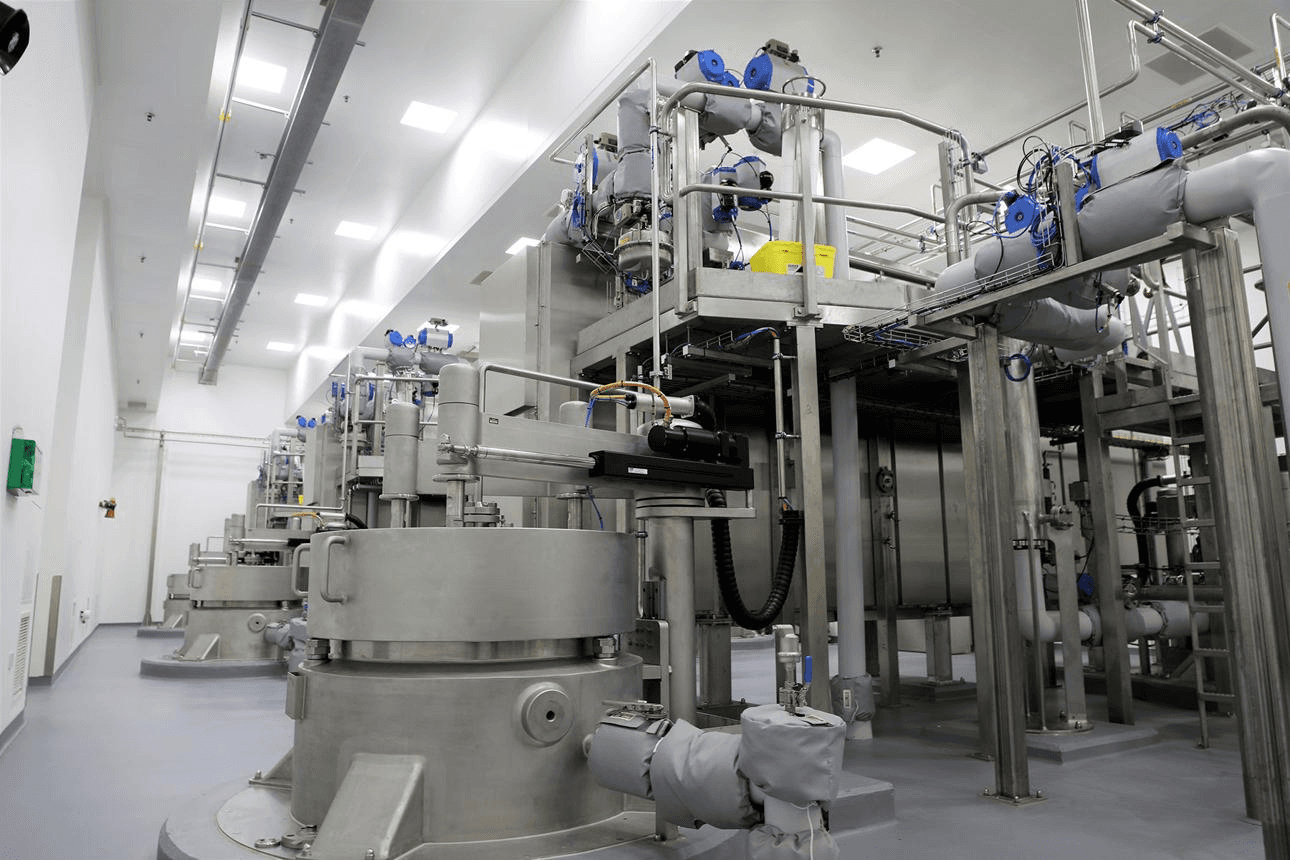
Learn how the SCFE-extracted oleoresins preserve bioactive compounds, improve purity, and deliver consistent botanical extracts for food, nutraceutical, and pharmaceutical applications.
Read More

How to Choose the Right Oleoresin Manufacturer in India: 7 Key Factors
By Sheetal Naturals
Choosing the right oleoresin manufacturer in India involves more than comparing prices and specifications. This guide explores the key factors buyers should evaluate, including raw material sourcing, extraction technology, quality certifications, traceability, batch consistency and technical expertise. Learn how to identify a reliable supplier for food, nutraceutical and pharmaceutical applications.
Read More