India Produces 80% of the World's Turmeric. Lakadong Could Change What We Do With It.

India produces more than 80% of the world's turmeric. That sounds like an industry India should completely dominate.
But there is a difference between growing the most turmeric and capturing the most value from it. As turmeric has moved beyond kitchens and spice shelves into nutraceuticals, functional foods and specialised natural ingredients, buyers have begun looking more closely at characteristics such as curcumin content, origin, consistency and quality.
This raises an important question: if India grows most of the world's turmeric, why isn't it automatically leading the market for high-curcumin turmeric ingredients?
India's Turmeric Paradox: When Volume Doesn't Equal Value
Being the world's largest turmeric producer does not automatically mean producing what every market segment values most. Recent reporting by Business Insider highlighted how growing demand from health and wellness companies for turmeric containing more than 5% curcumin has created opportunities for producers outside India, including Fiji.
For a country that produces only a fraction of India's turmeric, Fiji's growing relevance reveals something important about the global ingredient market: volume alone is not always the deciding factor.
As buyers look for differentiated natural ingredients, factors such as curcumin content, traceability, origin and reliable quality become increasingly important. This creates an opportunity for India to look beyond turmeric production at scale and consider where its agricultural diversity can create greater value.
And one of those opportunities may already be growing in Meghalaya.
Lakadong Turmeric Could Be India's Natural Advantage
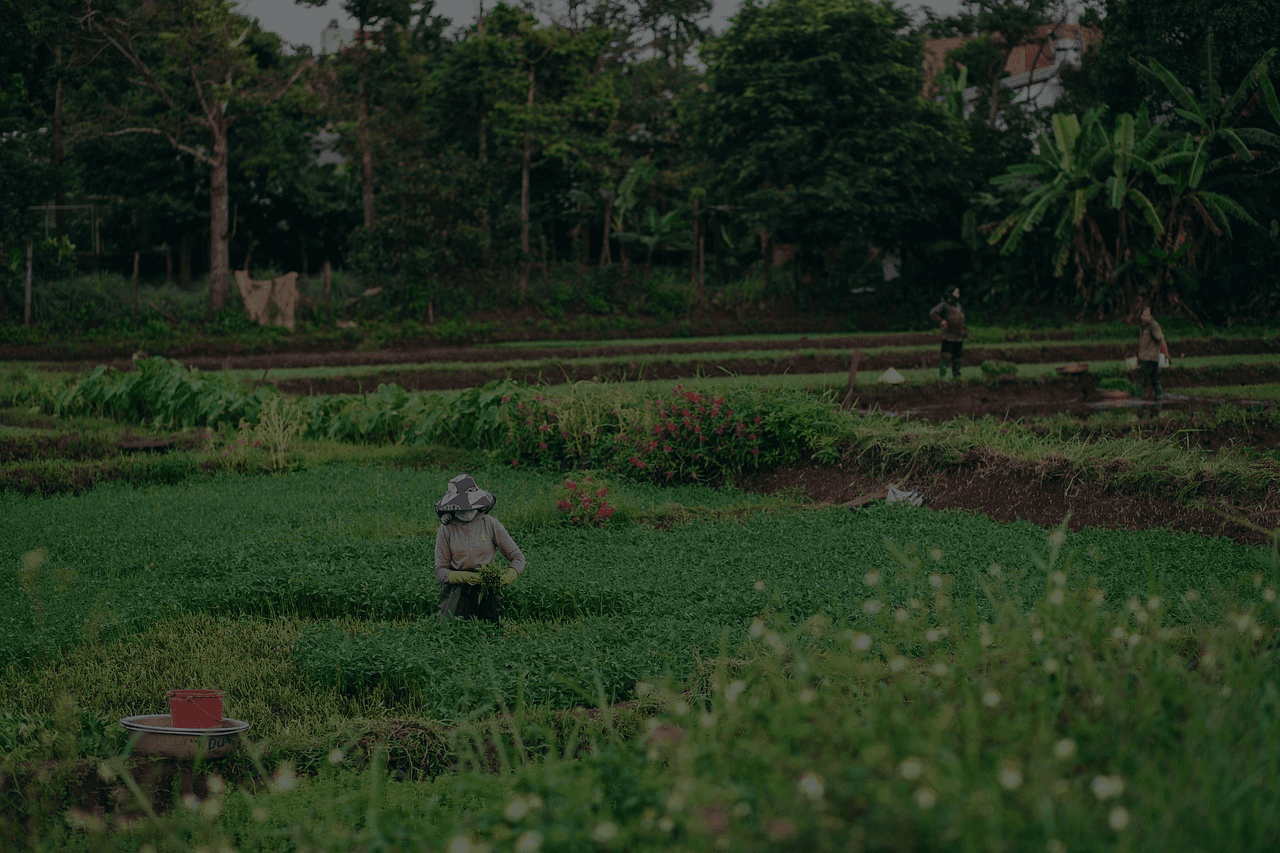
In the West Jaintia Hills of Meghalaya, Lakadong turmeric has gained attention for its naturally high curcumin content and distinctive regional origin. As interest grows in high-curcumin turmeric, Lakadong represents something India already possesses: a crop with characteristics that can help differentiate it in a competitive global market.But Lakadong turmeric is not valuable simply because it has high curcumin potential.
A promising crop does not automatically become a successful ingredient. Global buyers need to know what they are sourcing, how quality varies from batch to batch and whether the characteristics they value can be maintained consistently as supply grows.
For Lakadong turmeric to compete as a globally relevant natural ingredient, its potential must be supported throughout the value chain—from cultivation and post-harvest handling to quality evaluation, processing and extraction.
Perhaps India isn't missing the crop. Perhaps we're missing the ecosystem needed to turn it into a globally competitive ingredient.
High Curcumin Is Only the Starting Point
Curcumin content may help differentiate a turmeric variety, but it is only one part of ingredient quality. Commercial buyers also need consistency, reliable specifications and a clear understanding of where and how an ingredient has been produced.
That makes the journey from farm to final ingredient just as important as the crop itself. Cleaning, drying, storage, quality evaluation, processing and extraction can all influence the characteristics and commercial value of the final product.
For Lakadong turmeric, the challenge is therefore not simply to grow more. It is to preserve and develop what makes it different while building the capability to meet the requirements of modern ingredient markets.
This also means stronger connections between farmers, researchers, processors and ingredient companies. Quality begins with cultivation, but value is created when the entire supply chain works together.
From Lakadong Turmeric to High-Value Ingredients
Instead of entering the market only as raw or powdered turmeric, Lakadong's unique characteristics can potentially be developed into higher-value ingredients such as turmeric oleoresin and natural extracts.
Value-added processing allows agricultural raw materials to move closer to applications where their characteristics matter more. However, processing alone cannot create value. It must be supported by reliable sourcing, quality evaluation, appropriate post-harvest practices and the ability to maintain consistency.
A premium ingredient supply chain begins much earlier—with suitable planting material, cultivation practices and support for farmers growing the crop. It also requires infrastructure that helps protect quality after harvest and processing capabilities that can transform agricultural potential into commercially relevant ingredients.
The goal is not simply to grow more Lakadong turmeric. It is to build more value around what makes Lakadong different.
Building More Value Around What India Already Grows
India has the agricultural diversity, production capability and growing global relevance needed to build stronger natural ingredient supply chains. The next step is connecting these advantages through better quality systems, research, processing infrastructure and market development.
Lakadong turmeric represents one example of what this could look like. Its potential lies not only in its naturally high curcumin content, but in what it could demonstrate about India's broader natural ingredient industry: that exceptional regional crops can move beyond commodity markets when their origin, quality and distinctive characteristics are properly understood and developed.
How Sheetal Naturals Wants to Be Part of the Change
At Sheetal Naturals, this is the change we want to be part of. Our work with Lakadong turmeric begins with recognising the value of its origin and continues through the development of value-added ingredients such as Lakadong turmeric oleoresin.
We believe the future of India's natural ingredient industry lies in looking at the complete journey from the farm and region an ingredient comes from to quality evaluation, processing, extraction and the final application.
No single company can build that ecosystem alone. But ingredient companies can help create the demand and opportunities needed to move it forward.
India has already shown the world that it can grow turmeric at scale. The next chapter may be about creating greater value from the exceptional ingredients that are already growing here.
Related Articles

Lakadong Turmeric: Why Origin Matters More Than Colour | Curcumin Turmeric & Quality Guide
By Sheetal Naturals
Discover why Lakadong turmeric from Meghalaya stands apart. Learn how origin, naturally high-curcumin potential, batch testing, and traceability provide a clearer picture of turmeric quality beyond its colour
Read More

Pharmaceutical-Grade Oleoresins: Manufacturing & Applications
By Sheetal Naturals
Learn how pharmaceutical-grade oleoresins improve batch consistency, dosage accuracy, regulatory compliance, and manufacturing efficiency. Discover the role of SCFE extraction, quality testing, and standardized botanical extracts in modern pharmaceutical formulations.
Read More

Why Assam Ginger Produces Some of the Highest Gingerol Content in the World
By Sheetal Naturals
Not all ginger is created equal. Thanks to the unique, pristine geographical conditions of Northeast India, indigenous Assam ginger varieties yield exceptional gingerol concentrations. Learn why ingredient buyers prioritize this origin for high-potency formulations.
Read More

Why Food Manufacturers Are Switching from Raw Spices to Oleoresins
By Sheetal Naturals
Managing the natural batch-to-batch variability of raw, ground spices at scale is an operational nightmare for food manufacturers. Learn how switching to standardized oleoresins ensures reliable consistency, reduced storage costs, and enhanced heat stability.
Read More

Oleoresins vs Essential Oils: What Food Manufacturers Need to Know Before Choosing
By Sheetal Naturals
Choosing between an essential oil and an oleoresins can dramatically impact your product's flavor profile, stability, and cost. This guide breaks down the core structural differences so you can select the right extract for your specific formulation needs.
Read More

Naga Chilli: The World's Hottest Pepper and What It Means for Food Manufacturers
By Sheetal Naturals
Certified by Guinness World Records as one of the hottest chillies on earth, the Naga Chilli (Bhut Jolokia) is a powerhouse of industrial capsaicinoids. Discover why its GI-certified origin and exceptional potency make it a game-changer for modern food and pharmaceutical procurement teams.
Read More
SCFE-Extracted Oleoresins: Why the Extraction Method Matters More Than It Appears
By Sheetal Naturals
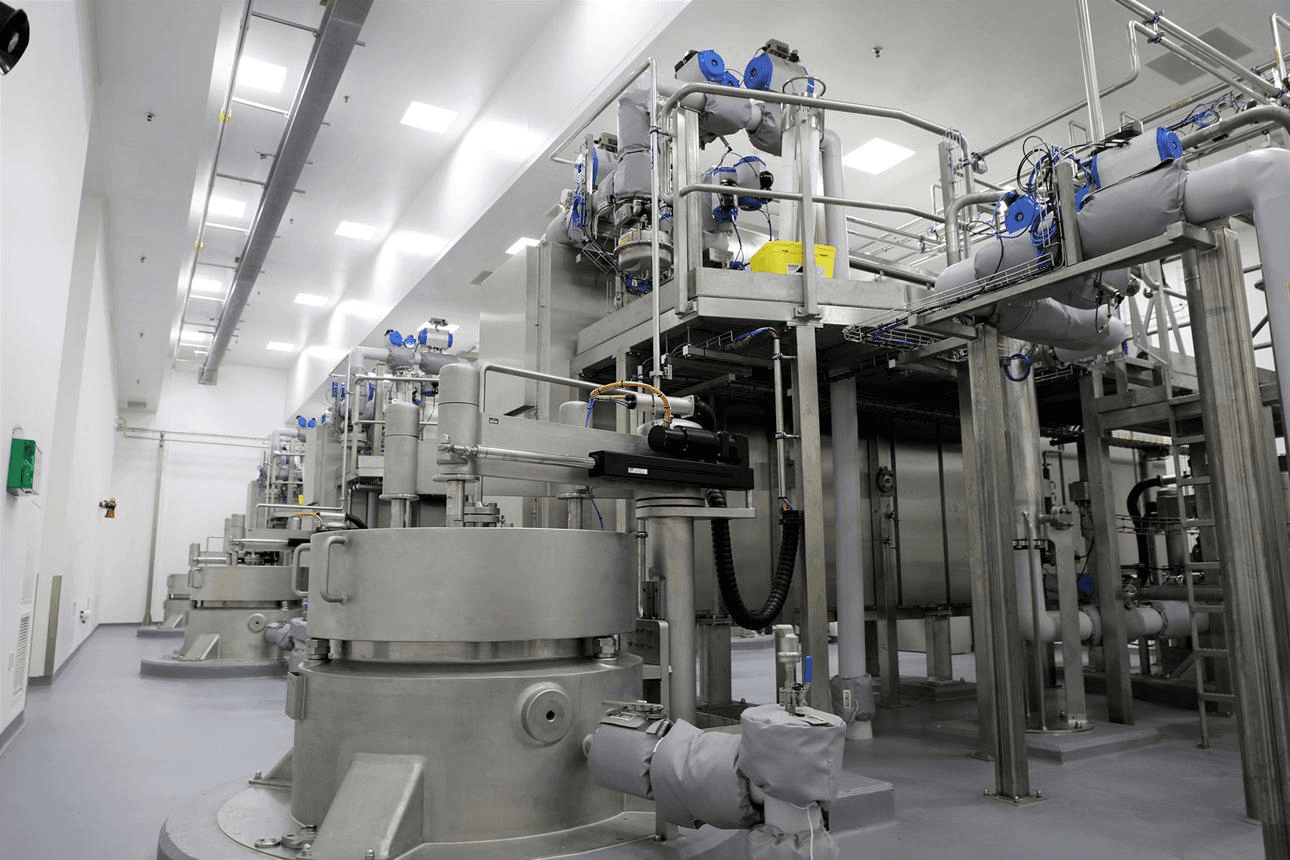
Learn how the SCFE-extracted oleoresins preserve bioactive compounds, improve purity, and deliver consistent botanical extracts for food, nutraceutical, and pharmaceutical applications.
Read More

How to Choose the Right Oleoresin Manufacturer in India: 7 Key Factors
By Sheetal Naturals
Choosing the right oleoresin manufacturer in India involves more than comparing prices and specifications. This guide explores the key factors buyers should evaluate, including raw material sourcing, extraction technology, quality certifications, traceability, batch consistency and technical expertise. Learn how to identify a reliable supplier for food, nutraceutical and pharmaceutical applications.
Read More