How to Choose the Right Oleoresin Manufacturer in India: 7 Key Factors

What Makes a Reliable Oleoresin Manufacturer in India?
India is one of the world's leading sources of spices and botanical ingredients, making it a preferred destination for manufacturers seeking high-quality oleoresins and botanical extracts. As demand for clean-label ingredients and standardised extracts continues to grow, selecting the right manufacturing partner has become just as important as choosing the right ingredient.
A reliable oleoresin manufacturer in India combines high-quality raw materials, advanced extraction technology, rigorous quality control, traceability, batch-to-batch consistency and application expertise. These factors help ensure premium botanical extracts for food, nutraceutical and pharmaceutical applications.
Two oleoresins may meet similar specifications on paper yet perform differently in production. Differences in sourcing, extraction technology, quality systems and manufacturing practices can significantly influence flavour, colour, active compound retention and batch consistency. Also, before comparing suppliers, it's important to understand the difference between oleoresins and essential oils, as the two ingredients serve different formulation purposes despite often being confused with one another.
If you are evaluating an oleoresin supplier in India, looking beyond price and specifications can help you identify a partner capable of delivering long-term quality and reliability.
How to Choose an Oleoresin Manufacturer in India
When evaluating a supplier, focus on:
Raw material sourcing and traceability
Extraction technology and purity standards
Quality certifications and testing procedures
Batch-to-batch consistency
Industry-specific expertise
Regulatory documentation and compliance
Technical support and customisation capabilities
Why India Is a Global Leader in Oleoresin Manufacturing
India is among the world's largest producers and exporters of spices, supplying ingredients to food, nutraceutical and pharmaceutical manufacturers worldwide. The country's diverse agricultural base, established extraction industry and growing adoption of advanced technologies such as Supercritical CO₂ Extraction (SCFE) have helped position India as a leading source of oleoresins and botanical extracts.
For international buyers, this provides access to premium raw materials supported by strong manufacturing capabilities and global supply chain expertise.
1. Start with the Source, Not Just the Specification
Every premium botanical extract begins with high-quality raw materials.
The geographical origin of a botanical directly influences its flavour, aroma, colour and naturally occurring bioactive compounds. Assam is internationally recognised for premium black tea, while neighbouring Nagaland is home to the GI-certified Naga Chilli. Manufacturers located close to these sourcing regions often have stronger control over traceability and ingredient quality.
When evaluating a botanical extract manufacturer, ask:
Where are the raw materials sourced?
Do they work directly with growers?
How is consistency maintained across harvests?
What traceability systems are in place?
Strong sourcing practices often translate into more consistent finished products.
2. Understand How the Oleoresin Is Extracted
Extraction technology plays a critical role in ingredient quality.
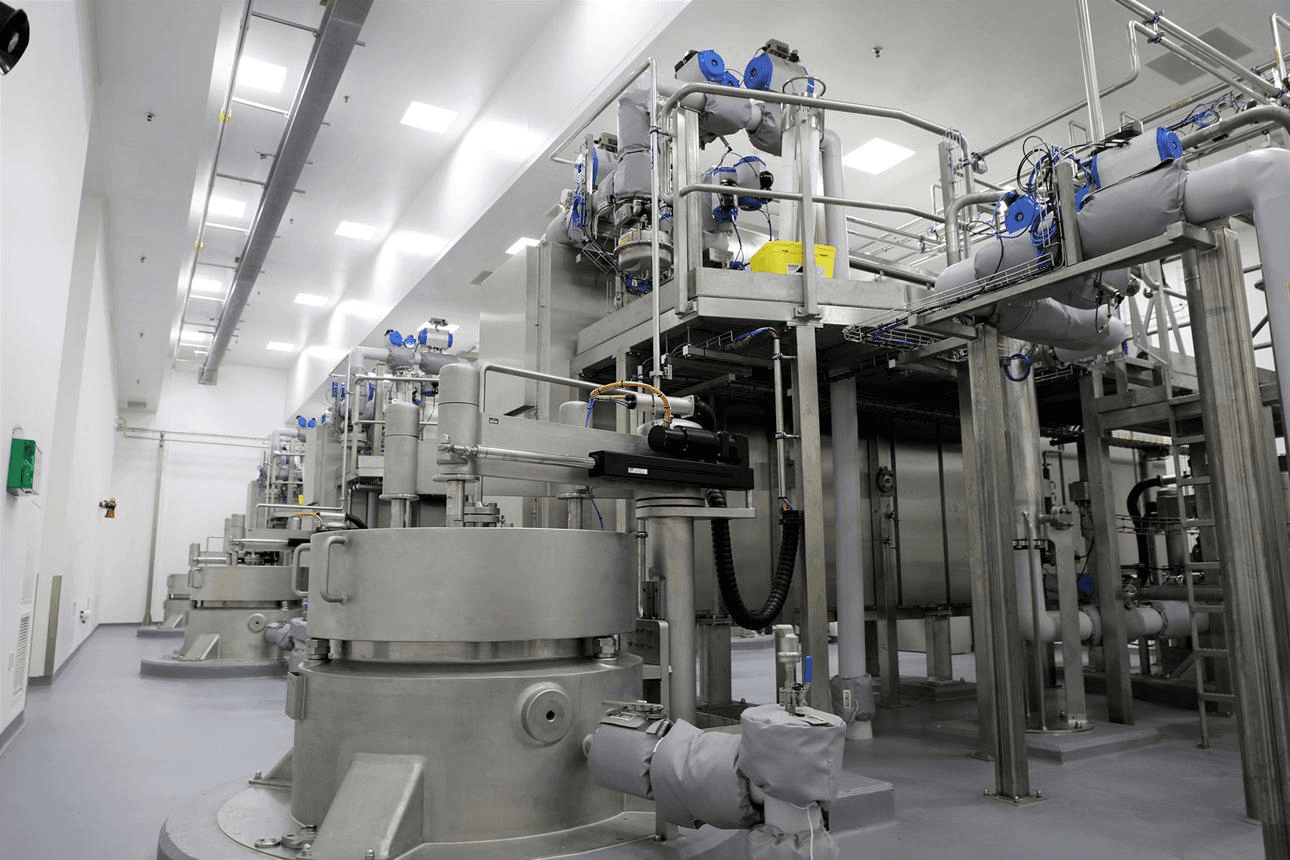
While conventional extraction methods remain suitable for many applications, advanced technologies such as Supercritical CO₂ Extraction (SCFE) help produce high-purity botanical extracts using carbon dioxide rather than conventional organic solvents. This gentle process helps preserve delicate flavours, aromas and naturally occurring bioactive compounds while producing solvent-free extracts.
Understanding the extraction method provides valuable insight into ingredient quality beyond what appears on a specification sheet.
The extraction method used by a manufacturer directly influences the quality, purity, stability and performance of the final ingredient. The comparison below highlights the key differences between the most commonly used extraction technologies.
Extraction Method | How It Works | Advantages | Considerations | Typical Applications |
Steam Distillation | Uses steam to extract volatile aromatic compounds from botanicals. | Solvent-free, suitable for essential oils, widely established process. | Limited to volatile compounds; not suitable for extracting non-volatile bioactive components. | Essential oils, fragrances, aromatherapy products. |
Solvent Extraction | Uses food-grade organic solvents to dissolve and extract desired compounds from raw materials. | High extraction efficiency, suitable for a wide range of botanicals, cost-effective for large-scale production. | Requires careful solvent removal and quality control to meet regulatory standards. | Spice oleoresins, flavors, colors, and botanical extracts. |
Supercritical CO₂ Extraction (SCFE) | Uses carbon dioxide under high pressure and controlled temperature to extract botanical compounds without conventional organic solvents. | Produces high-purity, solvent-free extracts while helping preserve delicate flavors, aromas, and naturally occurring bioactive compounds. Environmentally friendly and highly selective. | Higher equipment investment and operating costs compared to conventional extraction methods. | Premium oleoresins, nutraceutical ingredients, pharmaceutical extracts, and high-value botanical products. |
While each extraction method has its advantages depending on the intended application, manufacturers producing premium food, nutraceutical and pharmaceutical ingredients increasingly adopt advanced technologies such as Supercritical CO₂ Extraction to achieve higher purity, improved consistency and better preservation of naturally occurring bioactive compounds.
3. Look for Relevant Certifications and Quality Systems
Certifications provide additional assurance that ingredients are produced under controlled quality systems.
Depending on your industry requirements, look for manufacturers that operate under recognised standards such as:
ISO 22000
HACCP
GMP
FSSAI compliance
Halal certification
Kosher certification
While certifications alone do not guarantee product quality, they demonstrate a commitment to food safety, traceability and consistent manufacturing practices.
4. Evaluate Quality Beyond the Certificate of Analysis
A Certificate of Analysis (CoA) is important, but it should not be the only measure of quality.
A dependable spice oleoresin manufacturer should also provide:
Batch-to-batch consistency
Raw material traceability
Standardised active compounds
Comprehensive quality testing
Regulatory documentation where required
These quality systems are particularly important for food, nutraceutical and pharmaceutical applications, where consistent ingredient performance is essential.
5. Choose a Manufacturer That Understands Your Industry
Different industries require different ingredient characteristics.
Food manufacturers may prioritise flavour and colour consistency, while nutraceutical and pharmaceutical companies often focus on active compound standardisation, documentation and regulatory compliance.
Working with a manufacturer that understands your application can simplify formulation, reduce development challenges and improve product performance.
6. Understand the Difference Between a Manufacturer and a Trader
Not every supplier manufactures the ingredients they sell.
Evaluation Factor | Trader | Manufacturer |
Raw Material Traceability | Limited | Strong |
Quality Control | Variable | Comprehensive |
Batch Consistency | Variable | Reliable |
Technical Expertise | Limited | Extensive |
Product Customisation | Limited | Available |
Manufacturers that control sourcing, extraction and quality testing can often provide greater transparency, technical support and product customisation than intermediaries. This becomes particularly important when developing formulations that require consistent flavour, colour or active compound levels.
7. Assess Technical Support and Customisation Capabilities
The best suppliers do more than provide ingredients.
A reliable oleoresin manufacturer should be able to recommend suitable extracts, assist with formulation challenges and provide customised solutions where required. Whether you need a specific active compound concentration, customised flavour profile or application-focused extract, technical expertise can add significant value throughout product development.
Why Northeast India Offers a Sourcing Advantage
Northeast India is one of the country's richest regions for premium botanicals, including black tea, turmeric, ginger and GI-certified Naga Chilli.
Manufacturers located close to these raw material sources can often maintain stronger relationships with growers, improve traceability and reduce variability throughout the supply chain. This proximity supports better quality control from sourcing through to extraction and final production.
Oleoresin Supplier Evaluation Checklist
Before selecting a supplier, ask:
✓ Where are the raw materials sourced?
✓ Which extraction technology is used?
✓ Can traceability documentation be provided?
✓ How is batch consistency maintained?
✓ What certifications and quality systems are in place?
✓ Do they offer technical support and customised solutions?
✓ Can samples and technical specifications be provided?
Why Partner with Sheetal Naturals
Selecting the right manufacturing partner goes beyond sourcing high-quality ingredients—it also involves choosing a company with the expertise, infrastructure, and quality systems to support your product development goals.
Based in Assam, Sheetal Naturals combines responsibly sourced botanicals from Northeast India with advanced extraction technologies to produce premium oleoresins and botanical extracts for the food, nutraceutical, pharmaceutical, and personal care industries.
Our approach focuses on quality and consistency at every stage of production, including:
Carefully sourced botanicals from trusted growers
Advanced extraction technologies, including Supercritical CO₂ Extraction (SCFE)
Comprehensive quality control and batch-to-batch consistency
Traceability throughout the supply chain
Support for customised formulations and application-specific requirements
Technical documentation and regulatory support for domestic and international customers
Whether you're sourcing Turmeric Oleoresin, Black Tea Extract, Ginger Oleoresin, Capsicum Oleoresin, or customised botanical extracts, our technical team works closely with customers to recommend solutions tailored to their formulation and application needs.
Contact our team to discuss your requirements, request technical specifications, or enquire about product samples. We would be happy to help you find the right botanical extract solution for your business.
Frequently Asked Questions
What is an oleoresin manufacturer?
An oleoresin manufacturer processes spices, herbs and botanicals into concentrated extracts used across food, nutraceutical, pharmaceutical, cosmetics and personal care industries.
Why choose an oleoresin manufacturer in India?
India offers access to premium botanical raw materials, advanced extraction technologies, experienced manufacturers and strong export capabilities.
What should I look for in an oleoresin supplier?
Look for transparent sourcing, traceability, batch consistency, quality testing, extraction expertise and technical support.
Why does the extraction method matter?
Extraction technology influences purity, flavour, colour, stability and preservation of naturally occurring bioactive compounds. Advanced methods such as SCFE help produce premium solvent-free botanical extracts.
Can oleoresins be customised?
Yes. Many manufacturers offer customised extracts with specific concentrations, active compound standardisation and application-focused specifications.
Related Articles

Pharmaceutical-Grade Oleoresins: Manufacturing & Applications
By Sheetal Naturals
Learn how pharmaceutical-grade oleoresins improve batch consistency, dosage accuracy, regulatory compliance, and manufacturing efficiency. Discover the role of SCFE extraction, quality testing, and standardized botanical extracts in modern pharmaceutical formulations.
Read More

Why Assam Ginger Produces Some of the Highest Gingerol Content in the World
By Sheetal Naturals
Not all ginger is created equal. Thanks to the unique, pristine geographical conditions of Northeast India, indigenous Assam ginger varieties yield exceptional gingerol concentrations. Learn why ingredient buyers prioritize this origin for high-potency formulations.
Read More

Why Food Manufacturers Are Switching from Raw Spices to Oleoresins
By Sheetal Naturals
Managing the natural batch-to-batch variability of raw, ground spices at scale is an operational nightmare for food manufacturers. Learn how switching to standardized oleoresins ensures reliable consistency, reduced storage costs, and enhanced heat stability.
Read More

Oleoresins vs Essential Oils: What Food Manufacturers Need to Know Before Choosing
By Sheetal Naturals
Choosing between an essential oil and an oleoresins can dramatically impact your product's flavor profile, stability, and cost. This guide breaks down the core structural differences so you can select the right extract for your specific formulation needs.
Read More

Naga Chilli: The World's Hottest Pepper and What It Means for Food Manufacturers
By Sheetal Naturals
Certified by Guinness World Records as one of the hottest chillies on earth, the Naga Chilli (Bhut Jolokia) is a powerhouse of industrial capsaicinoids. Discover why its GI-certified origin and exceptional potency make it a game-changer for modern food and pharmaceutical procurement teams.
Read More
SCFE-Extracted Oleoresins: Why the Extraction Method Matters More Than It Appears
By Sheetal Naturals
Learn how the SCFE-extracted oleoresins preserve bioactive compounds, improve purity, and deliver consistent botanical extracts for food, nutraceutical, and pharmaceutical applications.
Read More