Oleoresins vs Essential Oils: What Food Manufacturers Need to Know Before Choosing

Two Extracts. Very Different Outcomes.
If you are buying flavour ingredients for a processed food product, a nutraceutical formulation, or a fragrance application, you will encounter two categories of plant extracts: essential oils and oleoresins. Both come from natural plant sources. Both are concentrated. But they are not interchangeable, and choosing the wrong one for your application can affect flavour profile, shelf life, dosing precision, and cost.
This is a question we get regularly from buyers new to spice-based ingredients. The answer is not complicated, but it requires understanding what each extract actually contains and how it behaves in a product.
What an Essential Oil Is
An essential oil is produced by steam distillation of plant material. Steam passes through ground spice or herb, carries the volatile aromatic compounds with it, and the steam is then condensed. What separates out is the essential oil, a clear to light-yellow liquid containing only the volatile fraction of the plant.
The key word is volatile. Essential oils contain the aroma compounds of the spice. They evaporate at room temperature, which is why they smell so strongly when you open the bottle. In ginger, for example, the essential oil carries the fresh, bright, citrus-like top notes you associate with ginger aroma.
Essential oils are excellent for fragrance work, aromatherapy, and applications where aroma is the primary requirement. In food applications, they work well where you want top-note brightness, such as in beverages, baked goods, or confectionery where the aroma hits first.
The limitation of essential oils in food manufacturing is stability. Because the volatile compounds evaporate, essential oils can lose potency during cooking, extended processing, or long shelf storage. They also do not carry colour and do not contain the non-volatile bioactives of the spice, which includes many of the compounds responsible for heat, pungency, and physiological activity.
What an Oleoresin Is
An oleoresin is a broader extract. It contains both the volatile essential oil fraction and the non-volatile resinous components of the spice. This includes colour compounds, pungency compounds such as gingerols and capsaicinoid, fixed oils, and other bioactives that steam distillation leaves behind. These spice oleoresins provide a more complete representation of the original spice profile, making them valuable ingredients for food, nutraceutical, and pharmaceutical applications.
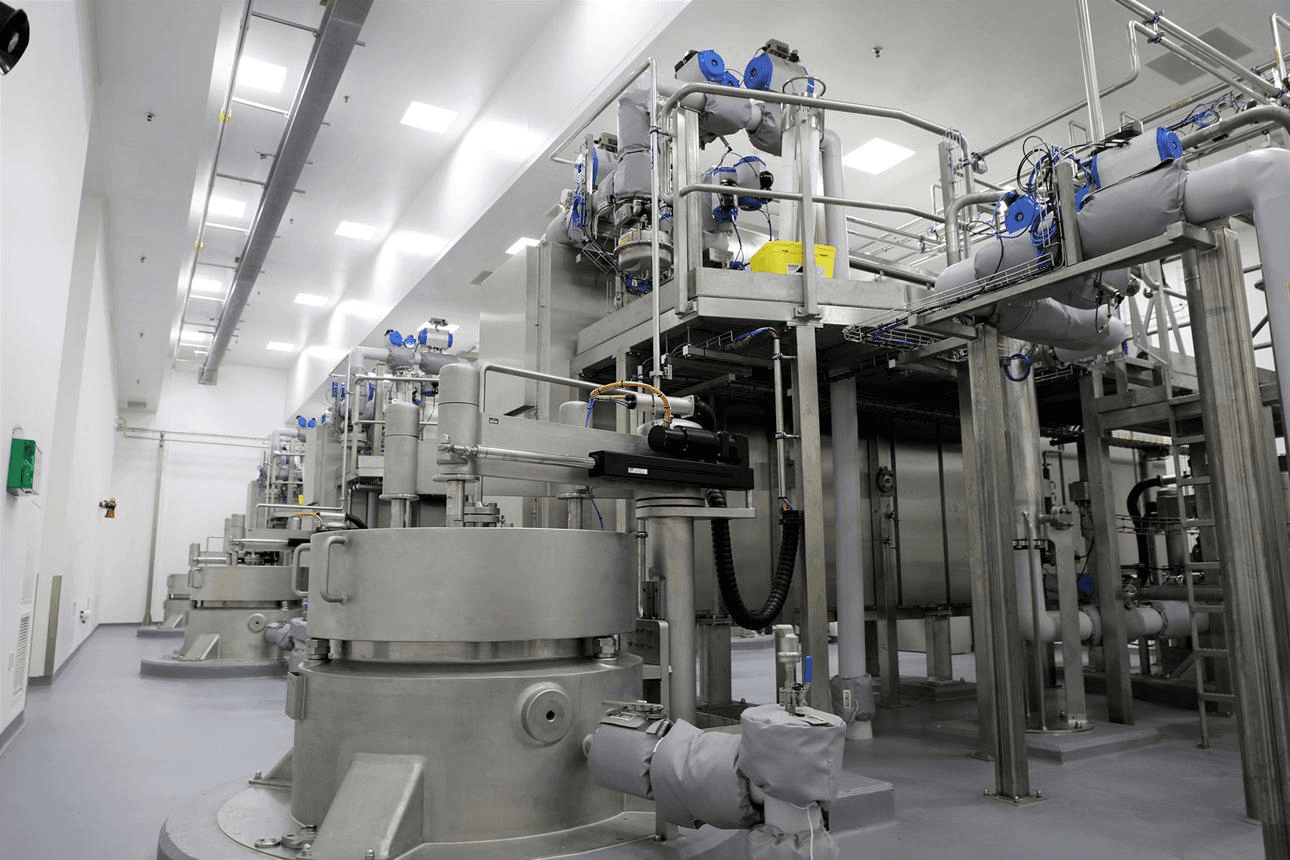
Oleoresins can be produced by solvent extraction using ethanol or hexane, or by supercritical CO2 extraction. The CO2 method uses pressurised carbon dioxide as the solvent, which then evaporates completely after extraction, leaving a solvent-free, full-spectrum extract. This is the method Sheetal Naturals uses for all products.
In ginger oleoresin, you get not just the aroma but also the gingerols and shogaols that are responsible for the pungent heat and the bioactive properties of ginger. The quality and potency of the final extract also depend on the natural profile of the raw material, with Assam-grown ginger being recognised for its high gingerol content and suitability for premium ginger extracts. In Naga Chilli oleoresin, you get capsaicin and the full capsaicinoid profile. In capsicum oleoresin, you get capsaicin and the full capsaicinoid profile. In turmeric oleoresin, you get curcumin alongside the essential oil. You do not get any of these in the essential oil alone.
Key Differences at a Glance
Parameter | Oleoresins | Essential Oils |
|---|---|---|
Composition | Volatile + non-volatile compounds | Mainly volatile aromatic compounds |
Extraction | Solvent extraction or SCFE | Steam distillation / cold pressing |
Appearance | Thick, viscous extract | Clear, free-flowing liquid |
Flavour | Full flavour, colour & aroma | Mainly aroma |
Stability | Higher | Lower |
Concentration | 10–50× raw spice | High aroma concentration |
Best For | Food, nutraceutical & pharma formulations | Fragrance, cosmetics & aromatherapy |
Example: Turmeric oleoresin retains both curcuminoids and turmeric's natural essential oil fraction, delivering colour, flavour and bioactive compounds. In contrast, turmeric essential oil primarily contains volatile aromatic compounds and does not provide the same functional profile
Which One Should You Choose
If your application requires consistent heat, colour, or bioactive content in a processed food product, a nutraceutical capsule, or a topical pharmaceutical formulation, oleoresin is the right choice. The full-spectrum extract gives you predictable, standardised performance across batches. This growing preference for consistent and functional spice extracts is driving the shift from raw spices to oleoresins across multiple industries.
If your application is primarily about aroma and you are working in a context where the volatile compounds can express fully, such as in a room freshener, a perfume compound, or a delicate beverage application, essential oil may serve you better.
In many food formulations, manufacturers use both. The oleoresin provides heat, colour, and body. The essential oil adds the bright aroma top note. A good ingredient supplier can provide both from the same raw material and the same geographic origin, which simplifies your supply chain and documentation.
Looking for the Right Oleoresin Manufacturing Partner?
Choosing between an oleoresin and an essential oil is only part of the decision but choosing the right oleoresin manufacturer is essential for ensuring consistent quality, reliable supply and optimal ingredient performance. Factors such as raw material sourcing, extraction technology and quality standards play a key role in the final product outcome.
At Sheetal Naturals, we manufacture premium oleoresins and botanical extracts from carefully sourced botanicals across Northeast India using advanced Supercritical CO₂ Extraction (SCFE). Every batch is supported by rigorous quality testing, traceability and technical documentation to help manufacturers formulate with confidence.
Partner with Sheetal Naturals for high-quality botanical extracts. Contact us today.
Related Articles

India Produces 80% of the World's Turmeric. Lakadong Could Change What We Do With It.
By Sheetal Naturals
India produces over 80% of the world's turmeric, but the future of the industry may depend on more than volume. Discover how Lakadong turmeric from Meghalaya, known for its naturally high curcumin content, and value-added ingredients such as turmeric oleoresin could help India capture greater value in the global natural ingredients market.
Read More

Lakadong Turmeric: Why Origin Matters More Than Colour | Curcumin Turmeric & Quality Guide
By Sheetal Naturals
Discover why Lakadong turmeric from Meghalaya stands apart. Learn how origin, naturally high-curcumin potential, batch testing, and traceability provide a clearer picture of turmeric quality beyond its colour
Read More

Pharmaceutical-Grade Oleoresins: Manufacturing & Applications
By Sheetal Naturals
Learn how pharmaceutical-grade oleoresins improve batch consistency, dosage accuracy, regulatory compliance, and manufacturing efficiency. Discover the role of SCFE extraction, quality testing, and standardized botanical extracts in modern pharmaceutical formulations.
Read More

Why Assam Ginger Produces Some of the Highest Gingerol Content in the World
By Sheetal Naturals
Not all ginger is created equal. Thanks to the unique, pristine geographical conditions of Northeast India, indigenous Assam ginger varieties yield exceptional gingerol concentrations. Learn why ingredient buyers prioritize this origin for high-potency formulations.
Read More

Why Food Manufacturers Are Switching from Raw Spices to Oleoresins
By Sheetal Naturals
Managing the natural batch-to-batch variability of raw, ground spices at scale is an operational nightmare for food manufacturers. Learn how switching to standardized oleoresins ensures reliable consistency, reduced storage costs, and enhanced heat stability.
Read More

Naga Chilli: The World's Hottest Pepper and What It Means for Food Manufacturers
By Sheetal Naturals
Certified by Guinness World Records as one of the hottest chillies on earth, the Naga Chilli (Bhut Jolokia) is a powerhouse of industrial capsaicinoids. Discover why its GI-certified origin and exceptional potency make it a game-changer for modern food and pharmaceutical procurement teams.
Read More
SCFE-Extracted Oleoresins: Why the Extraction Method Matters More Than It Appears
By Sheetal Naturals
Learn how the SCFE-extracted oleoresins preserve bioactive compounds, improve purity, and deliver consistent botanical extracts for food, nutraceutical, and pharmaceutical applications.
Read More

How to Choose the Right Oleoresin Manufacturer in India: 7 Key Factors
By Sheetal Naturals
Choosing the right oleoresin manufacturer in India involves more than comparing prices and specifications. This guide explores the key factors buyers should evaluate, including raw material sourcing, extraction technology, quality certifications, traceability, batch consistency and technical expertise. Learn how to identify a reliable supplier for food, nutraceutical and pharmaceutical applications.
Read More