Why Assam Ginger Produces Some of the Highest Gingerol Content in the World

Not All Ginger Is the Same
Ginger is grown across India, Southeast Asia, China, and West Africa. India is the world's largest producer, accounting for a significant share of global supply. But within India, and within the Northeast specifically, there are meaningful differences in the composition of ginger that matter enormously to food manufacturers, nutraceutical brands, and pharmaceutical formulators who are buying for bioactive content, not just flavour.
The compound that gives ginger most of its functional value is gingerol. Gingerol is responsible for the fresh, pungent heat of raw ginger. It converts to shogaol during drying and to zingerone during cooking, and all three forms have documented anti-inflammatory, antioxidant, and digestive properties that drive demand in the supplement and functional food industry. These bioactive compounds make ginger oleoresins valuable ingredients for pharmaceutical oleoresins applications where potency and standardisation are critical..
Assam, and the broader Northeast India region, consistently produces ginger with higher gingerol concentrations than many other Indian growing regions. This is not a coincidence. It is the result of specific geographical conditions that are difficult to replicate elsewhere.
What the Research Shows About Northeast India Ginger
Scientific literature on ginger germplasm in Northeast India identifies the region as a significant source of high-potency ginger varieties. Research published through government agricultural institutions in India has noted that Northeast India contains some of the richest diversity of ginger germplasm available. Indigenous varieties from Assam, including Maran, Bhola, and Jorhat Local, have shown dry ginger recovery rates and quality characteristics that compare favourably to imported varieties used in commercial extraction.
The Karbi Anglong district of Assam is one of the best-documented examples. Ginger grown in the hilly terrain of Karbi Anglong is recognised for its distinct flavour, high pungency, and elevated gingerol content. Similar to other Northeast Indian botanicals, such as Naga chilli oleoresin, the region's unique climate and traditional farming practices contribute to the development of high-value natural extracts. Farmers in this region have cultivated ginger using traditional, chemical-free practices for generations. The combination of well-drained hill soils, heavy and consistent rainfall, moderate temperatures, and shade from surrounding forest cover creates conditions that are close to optimal for gingerol accumulation in the rhizome.
Assam accounts for approximately 15 percent of India's total ginger production and has historically been ranked among the leading ginger-producing states. The varieties cultivated here, particularly Nadia and the local types, are grown without synthetic fertilisers or pesticides in many farming communities, which means the extract produced from them is clean by origin, not just by processing method.
Why Geography Affects Gingerol Concentration
Gingerol synthesis in ginger is influenced by several environmental factors. Soil composition plays a significant role. Well-drained, loamy soils with a pH between 6 and 6.5 and high organic matter content support better rhizome development and bioactive accumulation. The hill soils of Assam and Meghalaya tend to have good drainage and natural humus from forest coverage, which aligns with these requirements. These natural variations in ginger composition also influence the type of extract obtained, making it important for buyers to understand oleoresins vs essential oils when selecting ingredients for specific applications.
Rainfall patterns are another factor. Ginger requires heavy, well-distributed rainfall during the growth period but needs to avoid waterlogging, which causes rhizome rot. The rainfall pattern in Northeast India, influenced by the Brahmaputra Valley and the surrounding hill ranges, provides consistent monsoon moisture with natural drainage relief. This reduces the incidence of bacterial wilt and Pythium rot that commonly affect ginger in flatter, waterlogged terrain.
Temperature also matters. Ginger accumulates gingerol most efficiently in warm, humid conditions that do not tip into extreme heat. The moderate temperatures of the hill regions in Assam and Meghalaya, ranging roughly between 19 and 28 degrees Celsius, are within the ideal band for ginger metabolism and active compound development.
The combination of these factors produces a raw material with a naturally elevated bioactive profile. The absence of chemical inputs in traditional farming preserves the integrity of the rhizome, and the climate does the rest.
What This Means for Ingredient Buyers
If you are sourcing ginger oleoresin for a nutraceutical product, a pharmaceutical formulation, or a premium food application where gingerol content is part of the value proposition, origin matters. A ginger oleoresin standardised to 35 percent gingerols from Assam-origin raw material is not the same as one standardised to the same number from a mixed-origin or lower-quality base material. This growing demand for consistency, potency, and clean-label ingredients is one reason behind the increasing oleoresin adoption among food manufacturers.
The standardisation process can adjust the final specification, but the natural starting point of the raw material determines how much you need to concentrate to get there, which affects both the quality of the end extract and the processing economics. Starting with naturally high-gingerol ginger from Northeast India means less aggressive concentration is needed to hit specification, which typically results in a broader, more complete bioactive profile in the finished oleoresin.
This is why ingredient buyers who have worked with Northeast India-sourced ginger for any length of time tend to specify it by origin.
Sheetal Naturals: Extraction at Source
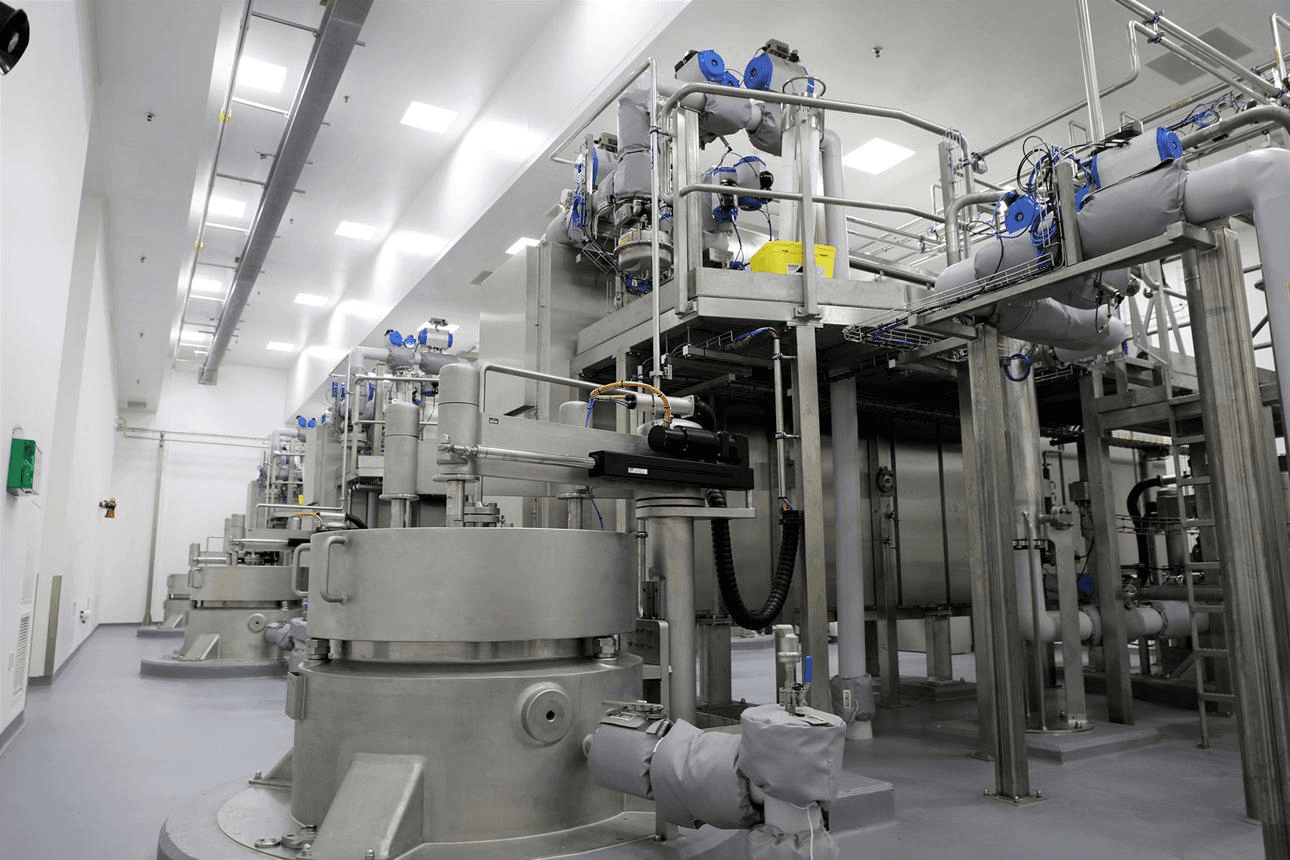
Sheetal Naturals extracts ginger oleoresin, essential oil, and dried powder directly from ginger sourced in Northeast India, including Assam-origin varieties known for their pungency and gingerol profile. Our supercritical CO2 extraction facility in Nalbari, Assam processes the raw material at source, which means the bioactives do not degrade during long transit before extraction. We supply ginger oleoresin standardised to customer specifications with full certificates of analysis. For buyers evaluating high-gingerol ginger extract for nutraceutical, pharmaceutical, or food applications.
Contact our team for sample requests and technical consultation.
Related Articles

India Produces 80% of the World's Turmeric. Lakadong Could Change What We Do With It.
By Sheetal Naturals
India produces over 80% of the world's turmeric, but the future of the industry may depend on more than volume. Discover how Lakadong turmeric from Meghalaya, known for its naturally high curcumin content, and value-added ingredients such as turmeric oleoresin could help India capture greater value in the global natural ingredients market.
Read More

Lakadong Turmeric: Why Origin Matters More Than Colour | Curcumin Turmeric & Quality Guide
By Sheetal Naturals
Discover why Lakadong turmeric from Meghalaya stands apart. Learn how origin, naturally high-curcumin potential, batch testing, and traceability provide a clearer picture of turmeric quality beyond its colour
Read More

Pharmaceutical-Grade Oleoresins: Manufacturing & Applications
By Sheetal Naturals
Learn how pharmaceutical-grade oleoresins improve batch consistency, dosage accuracy, regulatory compliance, and manufacturing efficiency. Discover the role of SCFE extraction, quality testing, and standardized botanical extracts in modern pharmaceutical formulations.
Read More

Why Food Manufacturers Are Switching from Raw Spices to Oleoresins
By Sheetal Naturals
Managing the natural batch-to-batch variability of raw, ground spices at scale is an operational nightmare for food manufacturers. Learn how switching to standardized oleoresins ensures reliable consistency, reduced storage costs, and enhanced heat stability.
Read More

Oleoresins vs Essential Oils: What Food Manufacturers Need to Know Before Choosing
By Sheetal Naturals
Choosing between an essential oil and an oleoresins can dramatically impact your product's flavor profile, stability, and cost. This guide breaks down the core structural differences so you can select the right extract for your specific formulation needs.
Read More

Naga Chilli: The World's Hottest Pepper and What It Means for Food Manufacturers
By Sheetal Naturals
Certified by Guinness World Records as one of the hottest chillies on earth, the Naga Chilli (Bhut Jolokia) is a powerhouse of industrial capsaicinoids. Discover why its GI-certified origin and exceptional potency make it a game-changer for modern food and pharmaceutical procurement teams.
Read More
SCFE-Extracted Oleoresins: Why the Extraction Method Matters More Than It Appears
By Sheetal Naturals
Learn how the SCFE-extracted oleoresins preserve bioactive compounds, improve purity, and deliver consistent botanical extracts for food, nutraceutical, and pharmaceutical applications.
Read More

How to Choose the Right Oleoresin Manufacturer in India: 7 Key Factors
By Sheetal Naturals
Choosing the right oleoresin manufacturer in India involves more than comparing prices and specifications. This guide explores the key factors buyers should evaluate, including raw material sourcing, extraction technology, quality certifications, traceability, batch consistency and technical expertise. Learn how to identify a reliable supplier for food, nutraceutical and pharmaceutical applications.
Read More