Naga Chilli: The World's Hottest Pepper and What It Means for Food Manufacturers

A Pepper with a Record and a Purpose
In 2007, a small chilli from the hills of Northeast India made history. The Guinness World Records certified it as the hottest chilli pepper on earth, with a Scoville Heat Unit rating of over one million. That pepper is the Naga Chilli, also known as Bhut Jolokia, Raja Mircha, or the Ghost Pepper. It comes from Nagaland, Assam, and Manipur, and it has since become one of the most sought-after raw materials in the global food and pharmaceutical industry.
What most people do not know is that behind the cultural fame and heat challenges on social media, there is a serious industrial story. The Naga Chilli is not just a curiosity. It is one of the most potent sources of capsaicinoids available to food manufacturers anywhere in the world, and its GI-certified origin from Nagaland gives it a traceability that buyers increasingly demand.
What Makes Naga Chilli Different from Other Hot Peppers
Heat in chillies comes from a group of compounds called capsaicinoids, the most active of which is capsaicin. In a standard hot pepper, capsaicin content sits between 0.1 and 0.5 percent. In Naga Chilli, independently verified laboratory tests have found capsaicin content of 2 to 4 percent. That is not a marginal difference. It means you need significantly less raw material to achieve the same heat level in a finished product.
The Scoville rating of Naga Chilli runs between 855,000 and 1,041,427 SHU depending on cultivation conditions, season, and soil. For context, Tabasco sauce sits at around 2,500 to 5,000 SHU. Naga Chilli oleoresin, when extracted at full potency, can reach heat levels that make it one of the most concentrated natural capsaicin sources available in commercial quantities.
The geography matters here. The specific climate and soil conditions of Nagaland, the rainfall patterns, the altitude, and the traditional farming practices of tribal communities all contribute to the consistent potency of the chilli. You cannot simply grow a Naga Chilli in a greenhouse in another region and expect the same capsaicinoid profile. This is exactly why the GI certification issued in 2008 matters so much to ingredient buyers.
The GI Tag: Why It Matters to Your Sourcing Team
Naga Mircha became the first product from Nagaland to receive a Geographical Indication tag in 2008, registered under the GI Act of India. This is legally equivalent to how Champagne works in France. Only chillies grown in Nagaland by local farmers using traditional cultivation methods can be called Naga King Chilli or Naga Mircha. Everything else is simply a hot pepper.
For a procurement team, this has a direct consequence. When you source Naga Chilli oleoresin from a GI-certified supply chain, you are buying traceability, authenticity, and a documented origin. This matters particularly in markets like the European Union, where clean label requirements and ingredient provenance are increasingly written into supplier contracts.
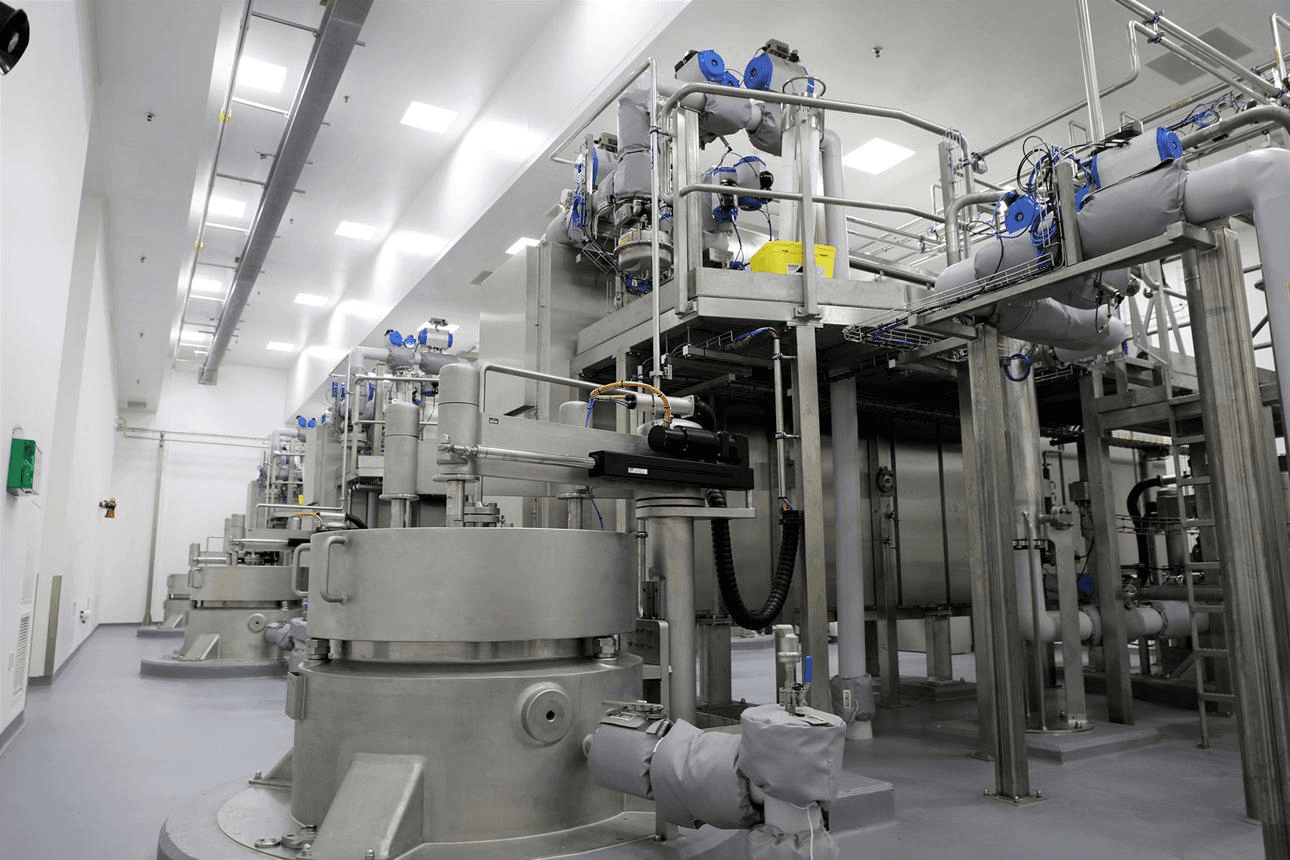
Sheetal Naturals sources exclusively from GI-certified Naga Chilli cultivated in Nagaland. Our extraction facility in Nalbari, Assam processes the raw material using supercritical CO2 extraction, which uses no solvents, leaves zero residue, and preserves the full capsaicinoid profile of the pepper.
What Industries Use Naga Chilli Extract
Food and beverage manufacturers use Naga Chilli oleoresin to add controlled, measurable heat to hot sauces, marinades, spice blends, processed meats, ready-to-eat meals, and snack seasonings. Because oleoresin is 10 to 50 times more concentrated than the raw spice, manufacturers can achieve consistent heat levels batch after batch without weighing large volumes of raw material.
The pharmaceutical industry uses capsaicin oleoresin in topical analgesic formulations. Capsaicin temporarily desensitises pain receptors in the skin, which is why it appears in creams and patches for joint and muscle pain. These applications demonstrate the importance of pharmaceutical oleoresins with consistent bioactive content. High-purity oleoresin from a potent source like Naga Chilli allows formulators to work with smaller inclusion rates while achieving therapeutic effect.
There are also defence and security applications. India's Defence Research and Development Organisation has explored the use of Naga Chilli extract in non-lethal irritants. In northeast India, farmers have long used the smoke of burning Naga Chilli plants to keep wild elephants away from crops, which speaks to the natural efficacy of the capsaicinoid concentration.
Nutraceutical brands use capsaicin for its documented metabolism and thermogenic effects. The compound activates TRPV1 receptors, which are associated with heat sensing and pain. Several supplement formulations targeting metabolic health, appetite regulation, and circulation use capsaicin oleoresin as an active ingredient.
What to Look for When Sourcing Naga Chilli Oleoresin
When evaluating suppliers, ask for three things. First, ask for SHU standardisation and certificate of analysis per batch. The capsaicinoid content in Naga Chilli can vary with season, so a reliable supplier will standardise the oleoresin to a specified heat level. Second, ask about extraction method. Supercritical CO2 extraction produces a solvent-free extract that retains the full spectrum of capsaicinoids including dihydrocapsaicin, nordihydrocapsaicin, and homocapsaicin, not just the primary capsaicin. Third, ask for origin documentation. A GI-certified supply chain can provide traceability back to the growing region.
Sheetal Naturals supplies Naga Chilli oleoresin, essential oil, and dried powder directly from GI-certified cultivators in Nagaland. We also produce botanical extracts such as black tea extract, using advanced extraction methods to preserve important bioactive compounds. Our extraction process uses no solvent carriers. Our extraction process uses no solvent carriers. We offer custom specifications on SHU levels and capsaicinoid percentage to match your formulation requirement. If you are evaluating a high-potency natural capsaicin source for food, pharma, or nutraceutical applications, contact our team for sample requests and technical consultation.
Related Articles

India Produces 80% of the World's Turmeric. Lakadong Could Change What We Do With It.
By Sheetal Naturals
India produces over 80% of the world's turmeric, but the future of the industry may depend on more than volume. Discover how Lakadong turmeric from Meghalaya, known for its naturally high curcumin content, and value-added ingredients such as turmeric oleoresin could help India capture greater value in the global natural ingredients market.
Read More

Lakadong Turmeric: Why Origin Matters More Than Colour | Curcumin Turmeric & Quality Guide
By Sheetal Naturals
Discover why Lakadong turmeric from Meghalaya stands apart. Learn how origin, naturally high-curcumin potential, batch testing, and traceability provide a clearer picture of turmeric quality beyond its colour
Read More

Pharmaceutical-Grade Oleoresins: Manufacturing & Applications
By Sheetal Naturals
Learn how pharmaceutical-grade oleoresins improve batch consistency, dosage accuracy, regulatory compliance, and manufacturing efficiency. Discover the role of SCFE extraction, quality testing, and standardized botanical extracts in modern pharmaceutical formulations.
Read More

Why Assam Ginger Produces Some of the Highest Gingerol Content in the World
By Sheetal Naturals
Not all ginger is created equal. Thanks to the unique, pristine geographical conditions of Northeast India, indigenous Assam ginger varieties yield exceptional gingerol concentrations. Learn why ingredient buyers prioritize this origin for high-potency formulations.
Read More

Why Food Manufacturers Are Switching from Raw Spices to Oleoresins
By Sheetal Naturals
Managing the natural batch-to-batch variability of raw, ground spices at scale is an operational nightmare for food manufacturers. Learn how switching to standardized oleoresins ensures reliable consistency, reduced storage costs, and enhanced heat stability.
Read More

Oleoresins vs Essential Oils: What Food Manufacturers Need to Know Before Choosing
By Sheetal Naturals
Choosing between an essential oil and an oleoresins can dramatically impact your product's flavor profile, stability, and cost. This guide breaks down the core structural differences so you can select the right extract for your specific formulation needs.
Read More
SCFE-Extracted Oleoresins: Why the Extraction Method Matters More Than It Appears
By Sheetal Naturals
Learn how the SCFE-extracted oleoresins preserve bioactive compounds, improve purity, and deliver consistent botanical extracts for food, nutraceutical, and pharmaceutical applications.
Read More

How to Choose the Right Oleoresin Manufacturer in India: 7 Key Factors
By Sheetal Naturals
Choosing the right oleoresin manufacturer in India involves more than comparing prices and specifications. This guide explores the key factors buyers should evaluate, including raw material sourcing, extraction technology, quality certifications, traceability, batch consistency and technical expertise. Learn how to identify a reliable supplier for food, nutraceutical and pharmaceutical applications.
Read More