Pharmaceutical-Grade Oleoresins: Manufacturing & Applications

Understanding Pharmaceutical-Grade Oleoresins
Every batch of a botanical ingredient is naturally unique. Variations in climate, soil conditions, harvesting methods, and processing can influence the concentration of active compounds, creating challenges for pharmaceutical manufacturers that require consistency, regulatory compliance, and reproducible formulations.
As demand for herbal medicines and phytopharmaceuticals continues to increase, manufacturers are increasingly adopting standardized pharmaceutical-grade oleoresins. According to the World Health Organization (WHO), nearly 80% of the global population relies on traditional and complementary medicine in some form, increasing the need for botanical ingredients that combine natural properties with scientific consistency.
What Are Pharmaceutical-Grade Oleoresins?
Pharmaceutical-grade oleoresins are concentrated botanical extracts obtained from herbs, spices, and medicinal plants using advanced extraction technologies. Compared with essential oils, oleoresins retain both volatile and non-volatile bioactive compounds, making them suitable for applications that require standardized phytochemical profiles. Unlike raw botanical powders, oleoresins can be standardized to specific phytochemical markers, allowing manufacturers to work with a more predictable ingredient profile.
Advanced analytical methods such as High-Performance Liquid Chromatography (HPLC) and Gas Chromatography-Mass Spectrometry (GC-MS) are used to verify active compound levels, ensuring batch-to-batch consistency and supporting reliable formulation development.
Why Pharmaceutical Manufacturers Prefer Oleoresins
Consistency is one of the most important factors in pharmaceutical manufacturing. Compared with raw botanical powders, standardized oleoresins provide several advantages. Beyond pharmaceutical manufacturing, these benefits have supported the growing use of oleoresins across the food & beverage, nutraceutical, and cosmetics industries.
Parameter | Raw Botanical Powders | Standardized Oleoresins |
Active Compound Levels | Variable | Standardized |
Batch Consistency | Lower | High |
Dosage Accuracy | Moderate | High |
Shelf Stability | Lower | Improved |
Quality Verification | More Complex | Easier |
Manufacturing Efficiency | Lower | Higher |
These benefits help manufacturers improve dosing accuracy, reduce formulation variability, simplify production scale-up, and maintain consistent product quality.
How Pharmaceutical Oleoresins Are Manufactured
The quality of a pharmaceutical-grade oleoresin depends on the quality of botanical raw materials, extraction technology, and standardization process. Manufacturing begins with carefully selected herbs, spices, and medicinal plants that undergo cleaning, drying, and quality evaluation before extraction.
The manufacturing process involves four key stages:
Botanical Selection and Preparation
Premium botanical materials are selected based on identity, purity, and phytochemical potential. This is especially important for standardized extracts such as ginger oleoresin, where raw material quality influences phytochemical consistency. Proper preparation helps maintain the stability and quality of important bioactive compounds.
Supercritical Fluid Extraction (SCFE)
Modern pharmaceutical manufacturers increasingly prefer Supercritical Fluid Extraction (SCFE) using carbon dioxide because it enables efficient extraction while preserving heat-sensitive compounds. The process operates under controlled pressure and temperature conditions, helping produce high-purity extracts with minimal solvent residue concerns.
Standardization and Analytical Testing
Following extraction, oleoresins are standardized according to defined phytochemical markers. Analytical techniques such as HPLC and GC-MS are used to verify active compound levels and ensure consistent batch performance.
Quality Documentation and Packaging
Before release, every batch undergoes quality evaluation, including identity testing, microbiological analysis, contaminant screening, and documentation review. Certificates of Analysis (CoA), technical specifications, and traceability records support quality assurance and supplier qualification.
This controlled approach enables manufacturers to achieve consistent botanical ingredients suitable for pharmaceutical and nutraceutical formulation requirements.
Quality Control and Regulatory Compliance
For pharmaceutical manufacturers, ingredient quality extends beyond potency. Every batch should undergo comprehensive testing, including:
Identity verification
Phytochemical marker analysis
Microbiological testing
Heavy metal screening
Pesticide residue analysis
Residual solvent testing
Contaminant evaluation
Modern laboratories use HPLC for marker quantification, GC-MS for volatile compounds and residual solvent analysis, and ICP-MS for trace heavy metal detection.
Complete documentation, including Certificates of Analysis (CoA), technical specifications, analytical reports, and traceability records, helps manufacturers meet supplier qualification and quality assurance requirements.
Standardized Turmeric Oleoresin: A Practical Example
Turmeric powder can naturally vary in curcuminoid concentration due to cultivation conditions, harvesting practices, and processing methods. This variation can create challenges during formulation and quality control.
Standardized turmeric oleoresin, verified through HPLC analysis, provides a defined curcuminoid profile. This enables formulation scientists to achieve improved consistency, simplify manufacturing processes, and reduce variability between batches.
Applications Across Pharmaceutical Manufacturing
Pharmaceutical-grade oleoresins are used across multiple applications where standardized botanical ingredients are required.
Herbal Medicines and Phytopharmaceuticals
Standardized oleoresins provide concentrated botanical compounds with controlled phytochemical profiles, helping manufacturers improve consistency compared with raw plant powders.
Oral Formulations
In syrups, liquid preparations, capsules, and other oral products, oleoresins support accurate dosing and formulation uniformity through predictable active compound levels.
Topical Products
Botanical oleoresins are used in creams, gels, ointments, and balms where concentrated plant-derived ingredients support topical healthcare formulations.
Nutraceutical Applications
Nutraceutical manufacturers use standardized botanical extracts to maintain product quality and deliver reliable phytochemical content.
Research and Development
Standardized oleoresins provide reproducible botanical ingredients that support formulation research, testing, optimization, and scale-up activities.
Key Factors to Consider When Selecting an Oleoresin Manufacturer
Choosing an oleoresin manufacturer requires more than comparing prices. Pharmaceutical procurement and quality teams should evaluate:
Standardized phytochemical specifications
Validated analytical testing capabilities
Certificates of Analysis (CoA) and technical documentation
Batch traceability systems
Residual solvent compliance
Technical support
Supply reliability
A supplier with strong quality practices and responsive technical support can help reduce manufacturing risks and simplify product development.
Looking for a Reliable Oleoresin Manufacturer?
Whether you're developing pharmaceutical, nutraceutical, or herbal formulations, Sheetal Naturals provides standardized pharmaceutical-grade oleoresins backed by advanced SCFE extraction, rigorous quality testing, and complete traceability. Our focus is on delivering standardized botanical extracts supported by analytical testing, batch traceability, and technical documentation.
Explore more to find the right solution for your application.
Contact us for technical documentation or product specifications.
Frequently Asked Questions
What are pharmaceutical oleoresins?
Pharmaceutical oleoresins are concentrated botanical extracts standardized to specific phytochemical markers, helping manufacturers achieve consistent formulation performance and quality.
Why are pharmaceutical oleoresins preferred over raw botanical powders?
They offer improved consistency, stability, quality control, and dosing accuracy compared with raw botanical powders.
How are pharmaceutical oleoresins manufactured?
They are produced using advanced extraction technologies such as Supercritical Fluid Extraction (SCFE), followed by standardization and analytical testing.
What tests are performed on pharmaceutical oleoresins?
Common tests include HPLC marker analysis, GC-MS testing, microbiological analysis, heavy metal screening, pesticide residue testing, and residual solvent analysis.
What should manufacturers look for in an oleoresin supplier?
Manufacturers should evaluate product consistency, analytical capabilities, documentation support, traceability systems, and technical expertise.
Related Articles

India Produces 80% of the World's Turmeric. Lakadong Could Change What We Do With It.
By Sheetal Naturals
India produces over 80% of the world's turmeric, but the future of the industry may depend on more than volume. Discover how Lakadong turmeric from Meghalaya, known for its naturally high curcumin content, and value-added ingredients such as turmeric oleoresin could help India capture greater value in the global natural ingredients market.
Read More

Lakadong Turmeric: Why Origin Matters More Than Colour | Curcumin Turmeric & Quality Guide
By Sheetal Naturals
Discover why Lakadong turmeric from Meghalaya stands apart. Learn how origin, naturally high-curcumin potential, batch testing, and traceability provide a clearer picture of turmeric quality beyond its colour
Read More

Why Assam Ginger Produces Some of the Highest Gingerol Content in the World
By Sheetal Naturals
Not all ginger is created equal. Thanks to the unique, pristine geographical conditions of Northeast India, indigenous Assam ginger varieties yield exceptional gingerol concentrations. Learn why ingredient buyers prioritize this origin for high-potency formulations.
Read More

Why Food Manufacturers Are Switching from Raw Spices to Oleoresins
By Sheetal Naturals
Managing the natural batch-to-batch variability of raw, ground spices at scale is an operational nightmare for food manufacturers. Learn how switching to standardized oleoresins ensures reliable consistency, reduced storage costs, and enhanced heat stability.
Read More

Oleoresins vs Essential Oils: What Food Manufacturers Need to Know Before Choosing
By Sheetal Naturals
Choosing between an essential oil and an oleoresins can dramatically impact your product's flavor profile, stability, and cost. This guide breaks down the core structural differences so you can select the right extract for your specific formulation needs.
Read More

Naga Chilli: The World's Hottest Pepper and What It Means for Food Manufacturers
By Sheetal Naturals
Certified by Guinness World Records as one of the hottest chillies on earth, the Naga Chilli (Bhut Jolokia) is a powerhouse of industrial capsaicinoids. Discover why its GI-certified origin and exceptional potency make it a game-changer for modern food and pharmaceutical procurement teams.
Read More
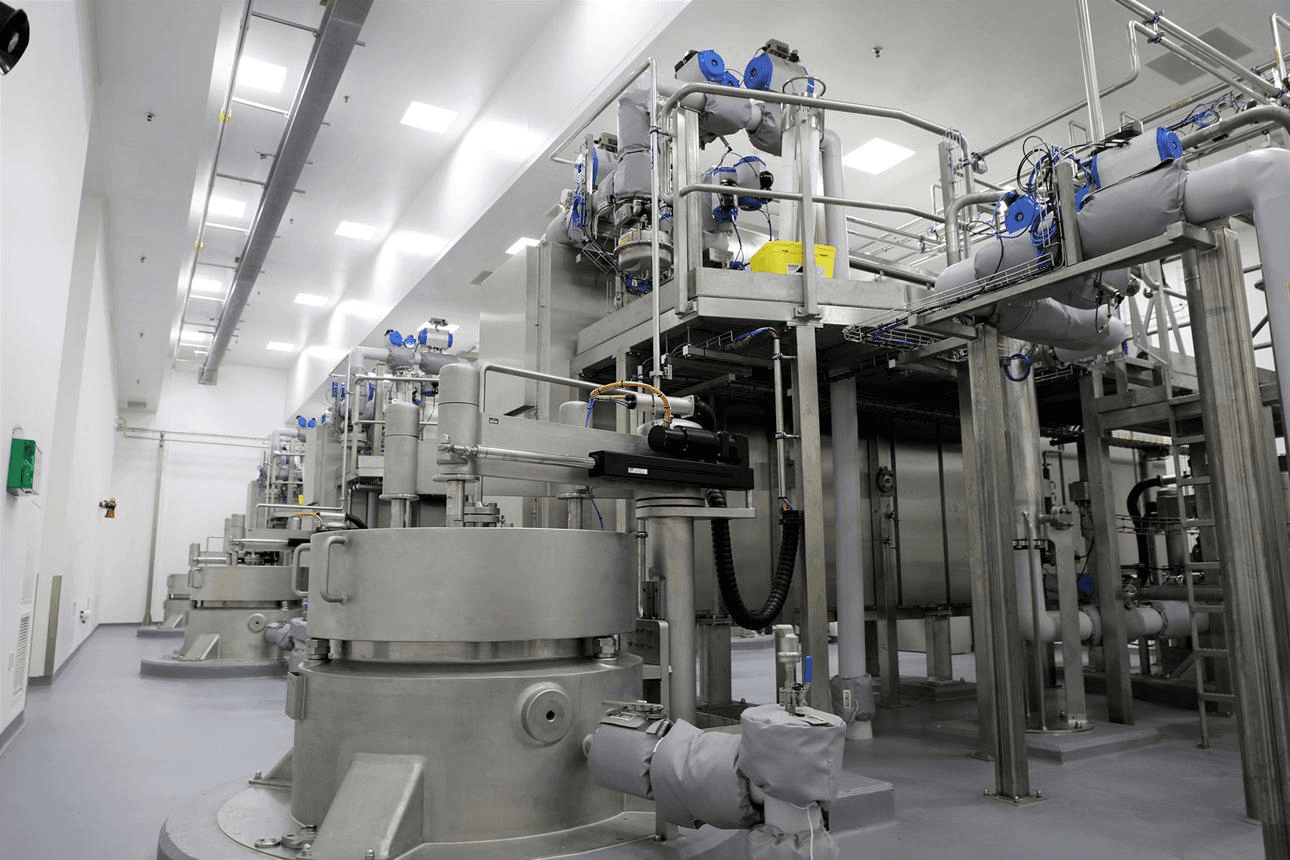
SCFE-Extracted Oleoresins: Why the Extraction Method Matters More Than It Appears
By Sheetal Naturals
Learn how the SCFE-extracted oleoresins preserve bioactive compounds, improve purity, and deliver consistent botanical extracts for food, nutraceutical, and pharmaceutical applications.
Read More

How to Choose the Right Oleoresin Manufacturer in India: 7 Key Factors
By Sheetal Naturals
Choosing the right oleoresin manufacturer in India involves more than comparing prices and specifications. This guide explores the key factors buyers should evaluate, including raw material sourcing, extraction technology, quality certifications, traceability, batch consistency and technical expertise. Learn how to identify a reliable supplier for food, nutraceutical and pharmaceutical applications.
Read More